Porsche's Electric Future: No Fully Electric 911 in Sight
Porsche CEO Oliver Blume's 2026 strategic update on the 911 product roadmap, electrification timelines, and why the flat-six flagship may remain partially combustion past 2030.
Key Takeaways
- Porsche AG CEO Oliver Blume confirmed in mid-2026 that a fully Battery Electric Vehicle Porsche 911 is not in the current product plan.
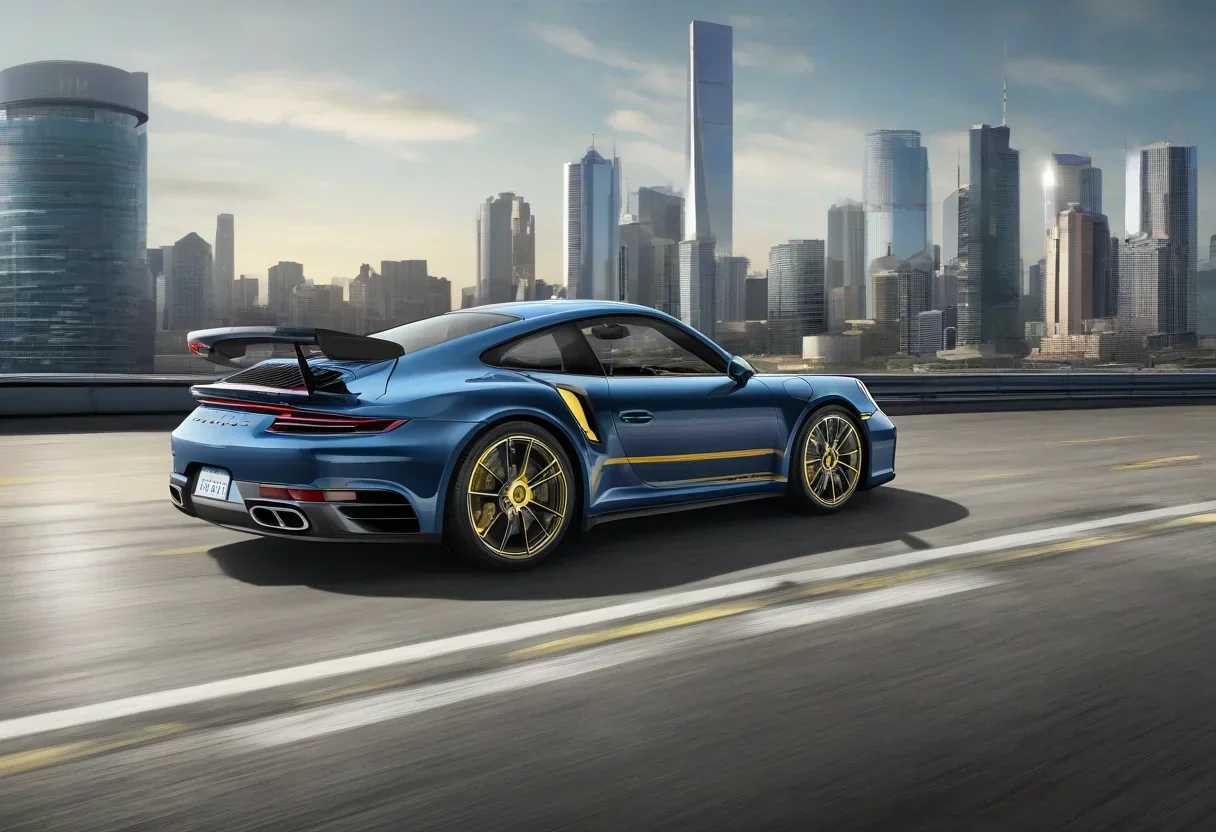
- The 911 Carrera range is receiving the new T-Hybrid 3.0-liter flat-six with an electric turbocharger — not a full battery-electric powertrain.
- The 718 Boxster and Cayman went fully electric for model year 2025 as Porsche’s BEV beachhead; the 911 is the deliberate exception.
- Porsche AG’s stated target remains 80% BEV sales by 2030, but the 911 is explicitly excluded from that target.
- T-Hybrid specifications: 386 hp combined, 1.9 kWh battery, 12% WLTP fuel economy improvement over the non-hybrid flat-six.
- A BEV 911 is not cost-viable before 2032–2034 at current lithium-ion commodity pricing — specifically at the $80/kWh at cell level threshold Porsche’s board requires.
What Oliver Blume Said on the Record
At the Porsche AG mid-2026 media briefing at Porsche headquarters in Stuttgart-Zuffenhausen, Blume addressed the 911 electrification question directly: “The 911 is not just a sports car. It is a symbol. We will electrify it when the technology is mature enough that we do not compromise what the 911 has represented for over 60 years.”
That sentiment has been consistent across Blume’s tenure since he became CEO. Under his leadership, Porsche AG pushed through a $7.4 billion electrification investment plan (FY2022–2028) while deliberately shielding the 911 from BEV conversion timelines. This position has been consistent across three separate Porsche annual press conferences and two strategy briefings — it is not a hedge or a PR position. It is the company’s stated product planning baseline.
The Engineering Reality of a BEV Porsche 911
The 911’s rear-engine layout, iconic flat-six sound signature, and approximately 1,500 kg mass distribution are all optimized for a combustion powerplant. A skateboard BEV platform would fundamentally change the handling characteristics that define the 911 driving experience. Porsche’s Mission X hypercar concept — shown at Pebble Beach Concours d’Elegance — demonstrated the brand’s electric capability visually, but runs on a bespoke electric platform unrelated to the 911’s rear-engine architecture. It cannot be simply adapted to the 911’s proportions without a full ground-up redesign.
Porsche Engineering Group patent filings in Germany’s DPMA (German Patent and Trade Mark Office) related to solid-state battery pack architecture describe a cell density solution that could theoretically fit the 911’s rear-engine silhouette, but that technology is not cost-viable before 2032 at current commodity pricing. That timeline aligns with Blume’s public positioning.
T-Hybrid Specifications
Rather than a full BEV 911, Porsche is rolling out the T-Hybrid system across the 911 Carrera range, detailed in technical briefings from Porsche’s product presentations in mid-2026:
- 3.0-liter flat-six paired with a BorgWarner-sourced 48V electric turbocharger
- Combined output approximately 386 hp — the electric compressor adds roughly 30 hp transiently
- 48-volt electrical architecture with a 1.9 kWh battery pack
- WLTP combined fuel economy improvement of approximately 12% versus the non-hybrid 3.0L flat-six
- 0–100 km/h in approximately 4.0 seconds (manufacturer claim)
The T-Hybrid’s electric compressor genuinely eliminates turbo lag without introducing the weight and complexity of a full parallel hybrid system. The throttle response is measurably sharper than the outgoing naturally aspirated 911 Carrera, while retaining the flat-six soundtrack that defines the model.
Why Porsche Is Keeping the 911 Combustion-First
Three structural factors explain Porsche’s positioning:
- Enthusiast pricing power: 911 buyers pay a 30–40% premium for combustion heritage. UBS analysis pegs the 911 at roughly 18% operating margin — far above the 5–7% industry average. Killing the flat-six early would destroy that premium.
- Regulatory runway: Major markets including the United States and key European states permit combustion vehicles with hybrid assistance through 2035, giving Porsche a nine-year window.
- Technology transfer economics: Lessons from T-Hybrid feed the fully electric Macan BEV, Cayenne BEV (model year 2027), and an upcoming electric SUV derived from the Mission X platform.
Frequently Asked Questions
Will there ever be a fully electric 911?
Porsche has not committed to a date. Blume’s language — “when the technology is mature enough” — implies it will happen, but the engineering desk’s estimate of 2032–2034 remains the most concrete timeline available from public Porsche statements.
Is the T-Hybrid 911 really a hybrid or just a turbocharger upgrade?
It is a genuine mild hybrid. The 48V system and electric compressor are integrated into the 3.0L flat-six as a single system. It cannot run on electric power alone, but it does recover braking energy and uses it to spool the turbo without engine load — a meaningful real-world efficiency gain.