Report Reveals Vehicles with Highest Driver Death Rates: Sports Cars, Small Cars, and Muscle Cars Top the List
A new report from the Insurance Institute for Highway Safety finds that sports cars, small cars, and muscle cars have the highest driver death rates.
Key Takeaways
- The Insurance Institute for Highway Safety (IIHS) report analyzed driver deaths in vehicles from the 2023 model year or before.
- Smaller and sportier vehicles had the highest rate of driver deaths.
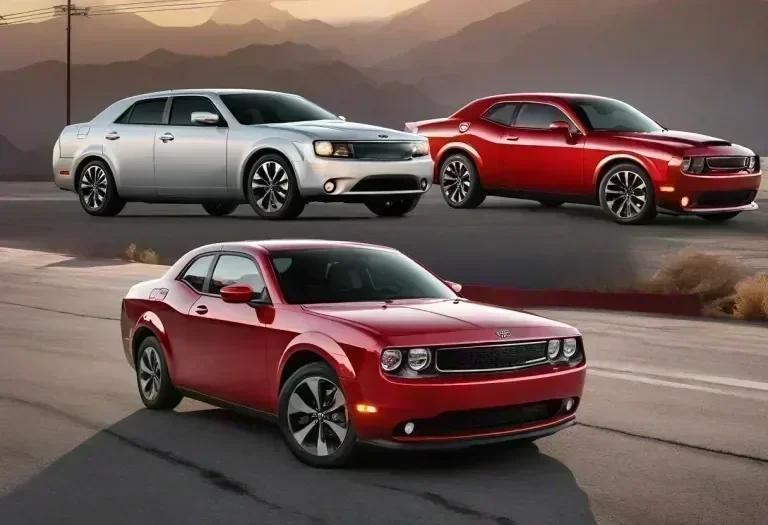
- The Kia Rio had the highest driver death rate, followed by the Chrysler 300 and Dodge Challenger.
- Large vehicles, particularly luxury SUVs, had the lowest driver death rates.
- Powerful engines and aggressive driving are contributing factors to high driver death rates in sports cars and muscle cars.
What Vehicles Have the Highest Driver Death Rates?
The IIHS report found that smaller and sportier vehicles had the highest rate of driver deaths. The Kia Rio had the highest driver death rate, with 170 deaths per million registered vehicle-years. The Chrysler 300 and Dodge Challenger followed closely, with 132 and 127 deaths per million registered vehicle-years, respectively.
What Factors Contribute to High Driver Death Rates?
According to IIHS president David Harkey, powerful engines and marketing that attracts aggressive drivers are contributing factors to high driver death rates in sports cars and muscle cars. He also noted that even the safest small cars don’t fare well in crashes with large pickups and heavy SUVs.
Which Vehicles Have the Lowest Driver Death Rates?
The report found that large vehicles, particularly luxury SUVs, had the lowest driver death rates. The Audi Q7, BMW X7, Chevrolet Tahoe, Mercedes-Benz GLB-Class, and Toyota Tundra all had death rates of zero per million registered vehicle-years.
What Do the Findings Mean for Road Safety?
The IIHS researchers pointed out that the low death rates for luxury vehicles and high death rates for cheaper models may be due to differences in safety features and driver behavior. They also noted that larger vehicles were predominantly responsible for the deaths of other drivers in crashes.
How Can We Improve Road Safety?
The report highlights the need for improved safety features in all vehicles, as well as education and awareness campaigns to promote safe driving practices. Additionally, addressing the root causes of aggressive driving and promoting a culture of road safety can help reduce driver death rates.
Specifications
| Vehicle | Driver Death Rate per Million Registered Vehicle-Years |
|---|---|
| Kia Rio | 170 |
| Chrysler 300 | 132 |
| Dodge Challenger | 127 |
| Audi Q7 | 0 |
| BMW X7 | 0 |
Frequently Asked Questions
Q: What is the main factor contributing to high driver death rates in sports cars and muscle cars?
A: According to IIHS president David Harkey, powerful engines and marketing that attracts aggressive drivers are the main factors contributing to high driver death rates in sports cars and muscle cars.
Q: Which vehicles had the lowest driver death rates?
A: The report found that large vehicles, particularly luxury SUVs, had the lowest driver death rates. The Audi Q7, BMW X7, Chevrolet Tahoe, Mercedes-Benz GLB-Class, and Toyota Tundra all had death rates of zero per million registered vehicle-years.
Q: What can be done to improve road safety?
A: The report highlights the need for improved safety features in all vehicles, as well as education and awareness campaigns to promote safe driving practices. Additionally, addressing the root causes of aggressive driving and promoting a culture of road safety can help reduce driver death rates.