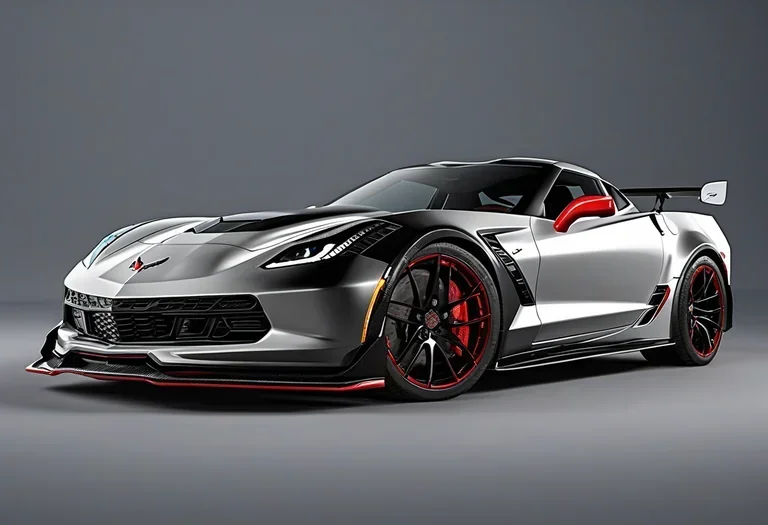
Koenigsegg CCGT1: 1,600-HP Hypercar With 1,764 Lbs of Downforce
The Koenigsegg CCGT1 revives the spirit of the abandoned CCGT racer with 1,600 hp, extreme aero, 1,764 lbs of downforce and only 70 cars planned.
Key Takeaways
- The Koenigsegg CCGT1 is a limited-production hypercar inspired by the company’s CCGT race-car project, which never got to compete after GT1 regulations changed.
- The CCGT1 combines a twin-turbo V8 with Koenigsegg’s nine-speed Light Speed Transmission and up to 1,600 hp when running on E85 fuel.
- Its track-focused aerodynamic package is designed to generate as much as 1,764 pounds (800 kg) of downforce at 155 mph.
- Koenigsegg is offering a dedicated factory track package with equipment such as slick tires, a roll cage, racing seats, air jacks and a fire-suppression system.
- Production is limited to 70 cars, making the CCGT1 one of the company’s most exclusive road-going models.
What Is the Koenigsegg CCGT1?
The Koenigsegg CCGT1 takes inspiration from one of the most intriguing unfinished chapters in the Swedish automaker’s history. The original CCGT was developed as a GT1 racing car based on Koenigsegg’s early road cars, but changes to GT1 regulations ended the program before it could compete.
According to Koenigsegg, the original CCGT was engineered around the GT1 regulations of its era and used a naturally aspirated 5.0-liter V8 producing 600 hp. The car weighed less than 1,000 kg before the ballast required to meet the racing category’s minimum weight.
The new CCGT1 takes the spirit of that abandoned racer and applies modern Koenigsegg technology to it. Instead of recreating the original race car, the CCGT1 turns its GT1-inspired proportions and aggressive aerodynamics into an ultra-exclusive road-going hypercar.
How Much Power Does the CCGT1 Make?
The CCGT1 uses a twin-turbocharged V8 related to the engine architecture used in Koenigsegg’s current high-performance models. Output is rated at 1,280 hp on conventional gasoline and as much as 1,600 hp when running on E85.
The engine is paired with Koenigsegg’s nine-speed Light Speed Transmission. Unlike a conventional manual gearbox, the system is designed for extremely rapid gear changes without requiring the driver to operate a traditional clutch pedal for every shift.
The 1,600-hp figure is not unusual for Koenigsegg’s most extreme V8 applications. The company’s official engine information also lists 1,280 hp on gasoline and 1,600 hp on E85 for the Jesko’s twin-turbo V8.
How Much Downforce Does the CCGT1 Produce?
A major part of the CCGT1’s identity is its aerodynamic package. Koenigsegg says the car can generate up to 1,764 pounds (800 kg) of downforce at 155 mph, giving the CCGT1 a substantially more aggressive aerodynamic setup than a conventional road-focused hypercar.
The package includes a large rear wing with an active element that can adjust automatically. The system is designed to operate in different aerodynamic modes, including low-drag and high-downforce settings, while also providing air-braking capability.
The aero development goes beyond the rear wing. The CCGT1 also uses an optimized underbody and active aerodynamic elements intended to maintain balance as aerodynamic load increases with speed.
What Makes the CCGT1 Different From the Original CCGT?
The biggest difference is the technology underneath the bodywork. The original CCGT was a purpose-built GT1 racing project powered by a naturally aspirated V8 and designed around the regulations of the early 2000s.
The CCGT1 is a modern road car built around Koenigsegg’s latest powertrain and aerodynamic technology. Its twin-turbo V8, nine-speed transmission and active aero systems represent several generations of development beyond the original CCGT.
What remains is the basic idea: take a Koenigsegg road car and push its track-focused engineering to an extreme level.
What Is Inside the CCGT1?
The CCGT1 also introduces distinctive materials and instrumentation. Koenigsegg has developed a white carbon-fiber material called Ghost Fibre for the car, adding another visual distinction to an already highly customized hypercar.
The cabin continues the company’s combination of modern technology and traditional mechanical-looking instruments. A Chronocluster-style display places information such as engine speed, speed, temperatures, oil pressure and other vehicle data directly in the driver’s view.
An analog G-meter provides a particularly old-school touch in a car otherwise packed with advanced engineering. It is designed to show the forces acting on the vehicle rather than simply presenting another digital readout.
What Is Included in the CCGT1 Track Package?
Koenigsegg is offering a factory track package for customers who want to use the CCGT1 primarily on circuits. The package includes equipment intended to make the car more suitable for serious track driving rather than simply adding cosmetic upgrades.
Depending on specification, the package includes slick tires, a roll cage, racing seats, air jacks, a fire-suppression system and data-logging equipment. These additions underline the CCGT1’s position as one of the most track-focused road cars in Koenigsegg’s lineup.
Koenigsegg says the package is intended to help the CCGT1 achieve the quickest lap times of any Koenigsegg, although an official lap time and circuit have not been attached to that claim.
How Limited Is the CCGT1?
Only 70 CCGT1s are planned, putting the model firmly into collector-car territory. With production restricted to such a small number, the CCGT1 is unlikely to be something prospective buyers can simply order from a showroom.
The limited production also fits Koenigsegg’s approach to its most exclusive models. The company has previously produced extremely small runs of cars such as the One:1, which was limited to seven examples, and the CC850, which was limited to 70 vehicles.
Why Does the Original CCGT Matter?
The original CCGT is important because it demonstrated that Koenigsegg was serious about motorsport before regulatory changes abruptly ended the project. The company had designed the car specifically around GT1 requirements, including strict dimensions and minimum production rules.
Koenigsegg’s own history explains that the regulations changed just two months after CCGT shakedown testing began. Carbon-fiber monocoques were no longer permitted, while the production requirement increased dramatically, making the project impractical.
The CCGT1 therefore serves as more than another high-powered Koenigsegg. It revives the visual and technical spirit of a racing program that never received the opportunity to prove itself in competition.
Specifications
| Specification | Koenigsegg CCGT1 |
|---|---|
| Engine | Twin-turbocharged V8 |
| Power on gasoline | 1,280 hp |
| Power on E85 | 1,600 hp |
| Transmission | 9-speed Light Speed Transmission |
| Maximum claimed downforce | 1,764 lb (800 kg) at 155 mph |
| Production | 70 examples |
| Track package | Slicks, roll cage, racing seats, air jacks, fire suppression and data logging |
Pros and Cons
Pros
- Up to 1,600 hp from a twin-turbo V8
- Extremely aggressive GT1-inspired aerodynamics
- Up to 1,764 pounds of claimed downforce at 155 mph
- Dedicated factory track package
- Extremely limited production
- Strong connection to Koenigsegg’s racing history
Cons
- Only 70 examples will be produced
- Not a conventional manual-transmission car
- Extremely limited availability
- Track-focused equipment may be excessive for normal road use
- Pricing and complete performance figures have not been publicly detailed
Frequently Asked Questions
Q: How much power does the Koenigsegg CCGT1 produce?
The CCGT1’s twin-turbo V8 produces 1,280 hp on gasoline and up to 1,600 hp when running on E85.
Q: How much downforce does the CCGT1 generate?
The CCGT1’s aerodynamic package is claimed to produce up to 1,764 pounds (800 kg) of downforce at 155 mph.
Q: How many CCGT1s will Koenigsegg build?
Koenigsegg plans to limit CCGT1 production to 70 examples.
Q: What transmission does the CCGT1 use?
The CCGT1 uses Koenigsegg’s nine-speed Light Speed Transmission.
Q: What is the original Koenigsegg CCGT?
The original CCGT was a GT1 racing project developed by Koenigsegg. It was designed around the regulations of its era but never competed after major changes to the GT1 rules made the project unviable.
Q: Does the CCGT1 have a track-focused package?
Yes. Koenigsegg offers a factory track package with equipment including slick tires, a roll cage, racing seats, air jacks, a fire-suppression system and data logging.