Backup Cameras Have Triggered 21 Million Recalls, And It Isn’t The Camera’s Fault
Backup cameras have triggered over 21 million recalls in the US since becoming mandatory eight years ago, with the issue often stemming from infotainment system glitches rather than camera malfunctions.
Key Takeaways
- More than 21 million vehicles have reportedly been involved in U.S. recalls related to backup-camera problems since rear visibility cameras became mandatory on new light vehicles in 2018.
- The camera itself is not always the source of the problem; software, wiring, image-processing modules and infotainment displays can also cause the rearview image to fail.
- Modern vehicles increasingly integrate backup cameras with complex infotainment and driver-assistance systems, creating more potential failure points.
- Ford and Honda have issued multiple U.S. recalls in 2026 involving rearview-camera problems.
- J.D. Power’s 2026 U.S. Initial Quality Study found infotainment was the only vehicle-quality category to worsen year over year.
What’s Behind the Backup Camera Recalls?
Backup cameras have become a standard safety feature on new vehicles sold in the United States, but the technology has also become a significant source of safety recalls. Since the federal rear-visibility requirement took effect in 2018, more than 21 million vehicles have reportedly been involved in recalls related to backup-camera problems.
That does not mean more than 21 million defective cameras. A modern rearview-camera system depends on several components working together, including the camera, wiring, electronic control modules, image-processing hardware, software and the display that shows the image to the driver.
As NHTSA’s recall database demonstrates, rearview-camera defects can involve very different components. Some recalls are caused by camera hardware, while others involve software or electronic modules that prevent the image from appearing correctly.
Infotainment System Glitches: A Major Culprit
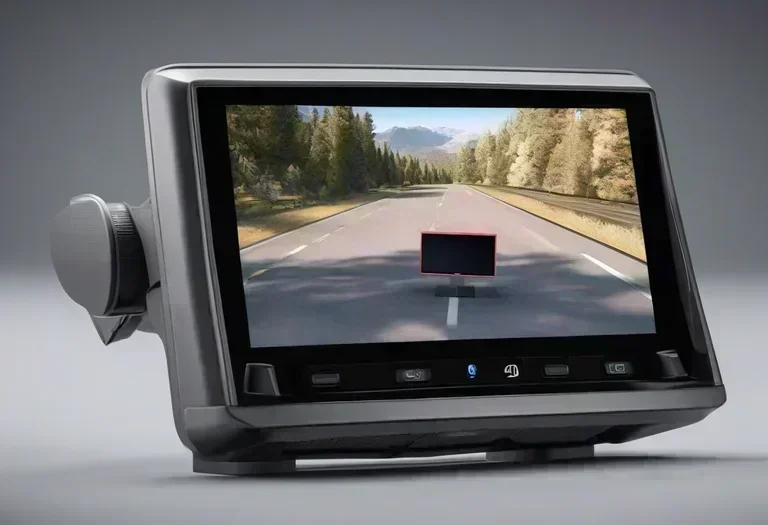
The infotainment system has become an increasingly important part of the backup-camera experience. In many modern vehicles, the rearview image is processed electronically before being displayed on a large central touchscreen. A problem with the display, software or image-processing module can therefore leave the camera unable to provide the required rearward view even when the camera hardware itself is functioning.
Ford’s 2026 recalls illustrate the issue. One recall involving 254,640 Ford and Lincoln vehicles found that the Image Processing Module A could unexpectedly reset, causing the loss of the rearview-camera image along with several advanced driver-assistance features.
Another Ford recall involved certain Escape and Lincoln Corsair models in which a display problem could cause the rearview-camera image to appear inverted. The underlying problem was associated with electronic hardware within the vehicle’s display system rather than simply a failed camera.
The broader reliability picture also points to problems with increasingly complex automotive electronics. According to J.D. Power’s 2026 U.S. Initial Quality Study, infotainment was the only one of the study’s 10 vehicle categories to record an increase in reported problems. Infotainment problems reached 44.4 problems per 100 vehicles among mass-market brands and 38.3 among premium brands.
The Impact on Vehicle Safety
A functioning backup camera gives drivers a better view of the area directly behind a vehicle and is particularly useful when reversing in parking lots, driveways and other areas where pedestrians or objects may be difficult to see.
When the system fails, that additional rear visibility is lost. NHTSA recall documents specifically warn that a blank, distorted or missing rearview image can increase the risk of a crash or injury because the driver has less visibility behind the vehicle.
Modern vehicles can also use the same camera and electronic architecture for parking assistance, surround-view cameras and other driver-assistance features. Consequently, a single electronic or software problem can affect several functions at once.
Backup cameras are also not intended to replace direct observation. Drivers should continue checking mirrors and looking around the vehicle because cameras have limited fields of view and may not show every obstacle, pedestrian or cyclist behind the vehicle.
Recent Recalls: Ford and Honda
Ford issued several recalls involving rearview-camera problems in 2026. One recall, identified by NHTSA as 26V165, affects 254,640 vehicles including certain 2022-2025 Lincoln Navigator, 2024-2025 Lincoln Nautilus, 2025 Lincoln Aviator and 2025 Ford Explorer models. According to the NHTSA recall notice, the Image Processing Module A may unexpectedly reset, resulting in the loss of the rearview-camera image and certain ADAS features.
Ford also recalled 2020-2024 Escape, Corsair, Explorer and Aviator vehicles over a display-related problem that could cause the rearview-camera image to appear inverted. The condition can affect compliance with federal rear-visibility requirements.
Honda issued a separate 2026 recall affecting 59,887 vehicles, including 2024-2025 Honda Prologue and 2024 Acura ZDX models. The NHTSA recall notice states that the rearview camera may display a distorted or blank image. Honda’s remedy is to replace the affected rearview camera with an improved component.
Honda also recalled another 65,135 Prologue and ZDX vehicles earlier in 2026 because a software error could cause the rearview camera to display a blank screen when the vehicle was shifted into reverse.
Why Are Backup Camera Problems So Difficult to Fix?
The complexity of modern vehicle electronics is one reason diagnosing a backup-camera failure can be more complicated than replacing a damaged camera.
A rearview system can involve the physical camera, communication networks, control modules, image-processing software and the infotainment display. A fault in any one of those areas can interrupt the image reaching the driver.
Software adds another layer of complexity. Some problems can be corrected through a software update, while hardware-related defects may require a replacement module, display or camera. This is why two vehicles experiencing the same symptom—a blank rearview screen—can require completely different repairs.
J.D. Power’s 2026 research highlights the broader challenge. The organization reported that overall initial vehicle quality improved substantially, but infotainment was the only category that became more problematic. The study was based on feedback from 78,514 purchasers and lessees of 2026 model-year vehicles after their first 90 days of ownership.
Specifications
| Specification | Value |
|---|---|
| U.S. rear visibility requirement | New light vehicles required to comply from May 2018 |
| Vehicles reportedly recalled for backup-camera-related issues | More than 21 million |
| Ford recall 26V165 | 254,640 vehicles |
| Honda recall 26V306 | 59,887 vehicles |
| Honda recall 26V112 | 65,135 vehicles |
| 2026 J.D. Power infotainment problems, mass market | 44.4 problems per 100 vehicles |
| 2026 J.D. Power infotainment problems, premium | 38.3 problems per 100 vehicles |
Frequently Asked Questions
Q: What is the main cause of backup camera failures?
A: There is no single cause. Backup-camera failures can result from the camera, wiring, software, image-processing modules, electronic control units or the infotainment display. Recent recalls show that the camera itself is often only one part of the system that can fail.
Q: How many vehicles have been recalled for backup camera issues?
A: More than 21 million vehicles have reportedly been involved in U.S. recalls related to backup-camera problems since rear visibility cameras became mandatory on new light vehicles in 2018. The figure represents vehicles affected by recalls and does not mean every affected vehicle had a defective camera.
Q: Which automakers have issued backup camera recalls in 2026?
A: Ford and Honda have both issued U.S. recalls in 2026 involving rearview-camera problems. Ford’s recalls include software and image-processing issues, while Honda has recalled Prologue and Acura ZDX vehicles over blank or distorted rearview-camera images.
Q: Can a backup camera fail even if the camera itself works?
A: Yes. The camera is only one component of the rearview system. Software, wiring, image-processing modules and the infotainment display can all prevent the driver from receiving a usable rearview image.
Q: Are backup cameras required on cars in the United States?
A: Yes. Federal rear-visibility rules require new passenger vehicles and certain other light vehicles to provide a compliant rear visibility system. The requirement was phased in beginning with vehicles manufactured from May 2018.