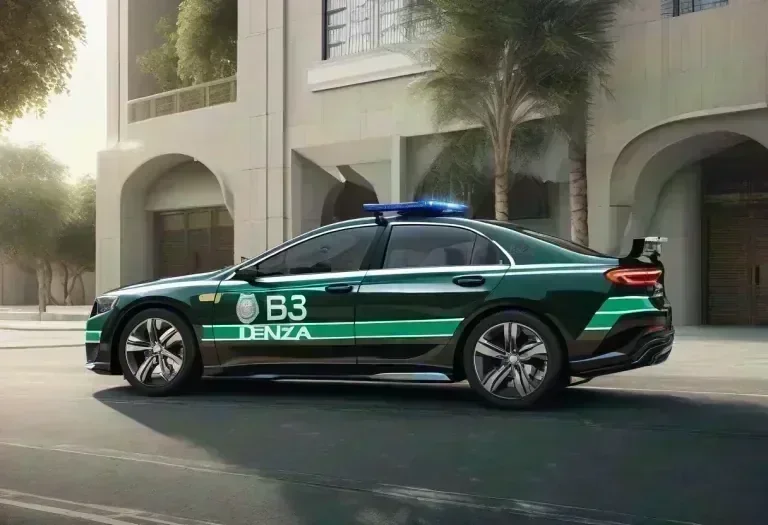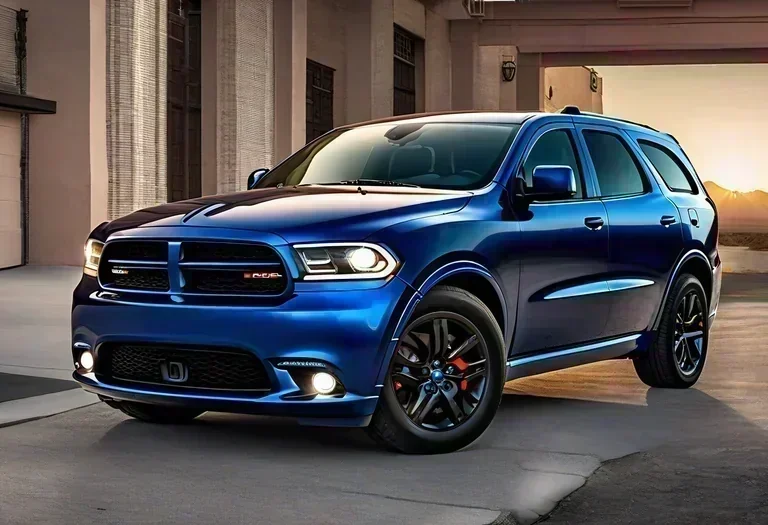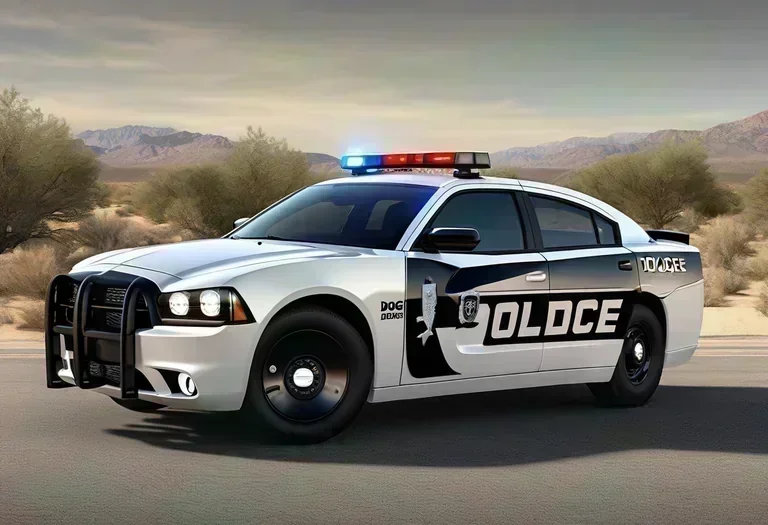
Dodge Charger Returns as Police Sedan with AWD PPV
Dodge revives Charger as police sedan with all-wheel drive PPV, filling gap left by Ford and Chevy's abandonment of segment.
Key Takeaways
- Dodge is preparing a police version of the new four-door Charger as it returns to the pursuit vehicle market.
- The Charger PPV is expected to use the 3.0-liter twin-turbocharged SIXPACK engine and all-wheel drive.
- The new police Charger arrives as Ford and Chevrolet have largely moved away from traditional full-size police sedans.
- A Charger PPV prototype has reportedly been displayed at the Police Fleet Expo in Daytona.
- Police-specific equipment includes a partition between the front and rear compartments and additional separation around the rear seating area.
- Reports indicate that police orders could open in summer 2027, although Dodge has not officially announced a production schedule for the PPV.
Dodge Is Bringing the Charger Back to Police Duty
Dodge is preparing to put the Charger back into police service, giving law enforcement agencies a new performance-oriented alternative to the SUVs that now dominate the American police fleet market.
The move is significant because the previous-generation Dodge Charger Pursuit became one of the most recognizable police sedans in the United States. When that Charger ended production, departments lost one of the few remaining factory-built sedan options designed specifically for pursuit and patrol work.
The new Charger creates an opportunity for Dodge to revive that role with a completely different vehicle. The latest Charger is available as a four-door model and can be equipped with the brand’s twin-turbocharged 3.0-liter SIXPACK engine and all-wheel drive. Dodge confirms that the four-door Charger is offered with both the 420-hp standard-output and 550-hp high-output versions of the engine. Dodge Charger official specifications
The police version will require additional engineering beyond the consumer Charger, however. Pursuit vehicles must withstand extended high-speed operation, repeated hard acceleration and braking, long periods of idling, additional electrical loads and the installation of specialized law enforcement equipment.
A prototype reportedly displayed at the Police Fleet Expo in Daytona provides the clearest indication yet that Dodge is actively developing the new Charger for this market.
Why Does the Police Market Need Another Sedan?
Police departments have increasingly moved toward SUVs because they provide more interior space, greater cargo capacity and a higher driving position. Ford’s Explorer-based Police Interceptor Utility has become particularly common, while other manufacturers also offer utility vehicles configured for law enforcement.
That shift has reduced the number of traditional police sedans available to departments. Dodge’s previous Charger Pursuit was one of the last major American entries in the segment.
A sedan still offers advantages for certain police applications. Its lower seating position and lower center of gravity can provide a different handling balance from an SUV, while its body shape can be better suited to sustained high-speed highway driving. For agencies that prioritize pursuit performance over maximum cargo volume, a purpose-built Charger could fill a specific role.
The new Charger is also substantially different from the old car. The latest generation uses a modern platform, offers all-wheel drive and can be powered by the Hurricane-based 3.0-liter twin-turbo SIXPACK engine. Dodge says the high-output version produces 550 hp and 531 lb-ft of torque in the current Charger Scat Pack. Dodge’s official Charger SIXPACK announcement
A police version would likely receive its own calibration and hardware changes to meet fleet requirements, so the specifications of the production PPV should not be assumed to be identical to those of the consumer Charger.
What Engine Will the Charger PPV Use?
The new Charger PPV is expected to use a 3.0-liter twin-turbocharged inline-six from the SIXPACK engine family. Dodge officially identifies the SIXPACK as its twin-turbo 3.0-liter engine and currently offers it in two output levels: 420 hp in standard-output form and up to 550 hp in high-output configuration. Dodge’s official Charger FAQ
For police use, the final output could differ from the consumer versions. Law enforcement vehicles have different priorities from retail performance cars, and engineers must account for sustained operation, cooling, transmission durability, braking performance and electrical demands.
All-wheel drive is also expected to be a key feature. Dodge currently offers all-wheel drive across the four-door gas-powered Charger lineup, giving the new PPV a traction advantage in wet, snowy and otherwise difficult conditions. Dodge Charger four-door specifications
The combination of a turbocharged six-cylinder engine and all-wheel drive should give the police Charger a very different character from the V8-powered Charger Pursuit that preceded it. Instead of relying on a large-displacement naturally aspirated engine, the new car will use turbocharging and modern engine management to deliver strong power from a smaller displacement.
How Will the New Charger PPV Differ From the Previous Charger Pursuit?
The biggest difference between the two police Chargers will be the underlying vehicle itself. The previous Charger Pursuit was based on the long-running LX-derived Charger architecture and was available with V6 and V8 engines depending on model year and specification.
The new Charger is built around a completely different platform and uses a liftback body design. That creates additional practicality but also presents a specific challenge for police applications.
A police vehicle carrying detained occupants needs to keep the rear passenger area separated from the equipment and cargo stored behind it. In a conventional sedan, the fixed rear structure naturally separates the passenger compartment from the trunk.
The new Charger’s liftback design provides a large opening to the rear cargo area, meaning Dodge needs to create an additional barrier for police use. The Charger PPV prototype reportedly addresses this with a partition behind the front seats and another divider behind the rear seating area.
That arrangement should allow the Charger to retain the cargo-access advantages of the liftback while still providing the separation required for law enforcement duties.
What Police Equipment Will the Charger PPV Have?
The production Charger PPV will need considerably more than an upgraded engine and suspension. Police vehicles are effectively mobile workstations, carrying radios, computers, emergency equipment and other hardware that places additional demands on the vehicle’s electrical and interior systems.
The prototype reportedly shown at the Police Fleet Expo features police-specific interior modifications, including the partitions needed to separate occupants and equipment.
Additional equipment could include provisions for emergency lighting, sirens, communications equipment and other fleet hardware. Dodge has not yet released a complete factory equipment list for the Charger PPV, so the final configuration remains subject to change.
The chassis will also be an important part of the program. A pursuit vehicle needs brakes capable of handling repeated high-speed stops, suspension components capable of supporting additional equipment and tires designed to provide consistent grip under demanding conditions.
Cooling will be particularly important as well. A police vehicle can spend long periods operating under high loads, especially during pursuits or emergency response. The final Charger PPV will therefore need to balance performance with durability and long-term fleet reliability.
How Will the Charger PPV Compare With Police SUVs?
The most obvious competitor for the new Charger PPV will not necessarily be another sedan. It will be the growing number of police utility vehicles, particularly the Ford Explorer Police Interceptor Utility.
Police SUVs offer clear advantages. Their taller body provides more interior volume, while the rear cargo area can accommodate equipment that would be difficult to carry in a sedan. The elevated driving position also gives officers a better view over surrounding traffic.
The Charger takes the opposite approach. Its lower body and performance-oriented platform should make it more appealing to departments that prioritize road handling and pursuit performance.
All-wheel drive also gives the Charger a useful advantage over the rear-wheel-drive configuration that was common among earlier performance sedans. The current consumer Charger already offers standard AWD, and Dodge lists both its 420-hp R/T and 550-hp Scat Pack four-door models with all-wheel drive. Official Dodge Charger trim information
The result could be a useful split in the police market. SUVs can handle departments’ general-purpose needs, while the Charger PPV could target agencies that want a lower, faster and more road-focused vehicle for traffic enforcement and pursuit duties.
The Charger’s Return Could Restore a Familiar Police Name
The Charger has a long history in American law enforcement. The previous Charger Pursuit became a staple of police fleets and was particularly well known for its performance-oriented V8 variants.
Bringing the model back as a PPV allows Dodge to continue that relationship with law enforcement while introducing the latest Charger platform and powertrain technology.
It also gives the brand a chance to reinforce the Charger’s performance identity. Dodge currently describes the new Charger as a muscle car available with both gasoline and electric powertrains, while its gas-powered models use the twin-turbo SIXPACK engine. Official Dodge Charger performance information
A police version would put that performance into a much more demanding operating environment. If Dodge can combine the Charger’s performance with the durability and serviceability required by police departments, the PPV could become a significant addition to the shrinking sedan segment.
When Will the Dodge Charger PPV Be Available?
Dodge has not yet published a formal production specification sheet for the Charger PPV or announced an official retail or fleet launch date.
Reports indicate that orders could open in summer 2027, with deliveries potentially following later in the year. Those dates remain unconfirmed by Dodge and could change as development and fleet validation continue.
The prototype displayed at the Police Fleet Expo suggests that development has progressed far enough for Dodge to begin showing the vehicle to potential fleet customers. The company will still need to finalize the production specification and complete the testing required for a pursuit-rated police vehicle.
That process is important because a police Charger cannot simply be a standard four-door Charger equipped with emergency lights. The vehicle needs to be engineered around the demands of law enforcement, including sustained high-speed operation, heavy braking, additional electrical equipment and the installation of police-specific interior hardware.
What the Charger PPV Means for Dodge
The return of the Charger to the police market gives Dodge an opportunity to re-enter a segment where it previously had a strong presence. With traditional police sedans becoming increasingly rare, the company could have a relatively open field if the new PPV meets the expectations of fleet buyers.
The biggest question will be whether police departments still want sedans in significant numbers. SUVs have become popular for practical reasons, and that trend is unlikely to disappear. The Charger PPV therefore does not need to replace police utilities across the entire market. Instead, it can target agencies that specifically value pursuit performance and the handling characteristics of a lower vehicle.
The new car has several ingredients that could make it competitive. The 3.0-liter twin-turbocharged engine provides substantial power, all-wheel drive is already standard on the current four-door Charger lineup, and the platform was developed around modern performance requirements.
If Dodge follows through with a properly engineered pursuit package, the Charger PPV could once again give American police departments a dedicated performance sedan option at a time when those vehicles have become increasingly difficult to find.
Frequently Asked Questions
What is the Dodge Charger PPV?
The Dodge Charger PPV is a police-specific version of the new four-door Charger being developed for law enforcement fleets. PPV stands for Pursuit Police Vehicle.
What engine will the Charger PPV use?
The Charger PPV is expected to use Dodge’s 3.0-liter twin-turbocharged SIXPACK engine. The current consumer Charger offers the engine in standard-output and high-output configurations, with up to 550 hp in the Scat Pack. Dodge has not yet confirmed the final PPV calibration.
Will the Charger PPV have all-wheel drive?
Yes. The new four-door gasoline-powered Charger is offered with standard all-wheel drive, and the police version is expected to retain that configuration.
Is the Charger PPV a sedan?
Yes. Dodge describes the four-door Charger as a sedan, although the new generation uses a liftback-style rear body design.
How will the Charger PPV handle detained passengers?
The prototype reportedly uses a partition between the front and rear compartments and an additional divider behind the rear seat. These modifications are intended to address the liftback’s open cargo configuration and provide appropriate separation for police use.
When will the Dodge Charger PPV be available?
Reports indicate that police orders could open in summer 2027, with deliveries potentially following later that year. Dodge has not officially confirmed those dates.