After 33 Years, A Stolen 1971 Chevelle SS Is Finally Back With Its Owner
A 1971 Chevrolet Chevelle SS stolen in 1993 has been recovered and returned to its rightful owner after 33 years.
Key Takeaways
- A 1971 Chevrolet Chevelle SS stolen in 1993 was recovered in California 33 years later.
- The classic muscle car was discovered during a routine California Highway Patrol VIN inspection in the Auburn area.
- Investigators confirmed the vehicle matched a theft report from San Mateo County and returned it to its rightful owner.
- The recovered Chevelle appears to be in remarkably good condition, with SS badging and period-correct muscle-car styling.
- The case highlights the importance of VIN records when buying and selling valuable classic cars.
How Was the 1971 Chevrolet Chevelle SS Recovered?
A 1971 Chevrolet Chevelle SS that had been reported stolen in California in 1993 has been recovered after 33 years. The car resurfaced in the Auburn area of Northern California during a routine vehicle identification number inspection conducted by the California Highway Patrol.
CHP officers checked the vehicle’s VIN and discovered that it was connected to an old stolen-vehicle report from San Mateo County. Investigators then worked with the San Mateo Police Department to verify the vehicle’s identity and ownership history.
Once the investigation confirmed that the Chevelle was the same vehicle reported stolen decades earlier, it was returned to its rightful owner.
The recovery is unusual because the car remained missing for more than three decades before being identified through a routine inspection. Authorities have not publicly detailed where the Chevelle was kept during those 33 years or how it came into the possession of the person who had it when it was discovered.
Where Was the Stolen Chevelle Found?
The stolen Chevelle was found in the Auburn area of California, roughly 33 years after it disappeared from San Mateo County.
The discovery began with a VIN inspection rather than a dedicated search for the vehicle. That inspection gave CHP investigators the information needed to connect the car to the original 1993 theft report.
The case demonstrates why a vehicle’s identification number can remain important even decades after a theft. Classic cars can change owners, locations, colors, engines, and other components over time, but the VIN can provide the crucial link to their original records.
What Makes the 1971 Chevrolet Chevelle SS Special?
The 1971 Chevrolet Chevelle SS is one of the most recognizable American muscle cars of the early 1970s. The Chevelle was Chevrolet’s midsize car, while the Super Sport package added performance-oriented equipment and distinctive styling.
For 1971, Chevrolet offered the Chevelle SS with several V8 engines, including the legendary 454-cubic-inch LS5. The 7.4-liter V8 was rated at 365 gross horsepower for the 1971 model year.
The Chevelle’s combination of a long hood, broad body, aggressive front end, and available big-block V8 made it an important part of the classic American muscle-car era. Well-documented SS examples can be especially desirable to collectors.
| 1971 Chevrolet Chevelle SS | Details |
|---|---|
| Model year | 1971 |
| Model | Chevrolet Chevelle SS |
| Vehicle class | Midsize American muscle car |
| Available engine | 7.4-liter (454 cubic-inch) LS5 V8 |
| LS5 output | 365 gross hp |
| Original theft | 1993, San Mateo County, California |
| Recovery | 2026, Auburn area, California |
| Time missing | 33 years |
What Happened to the Chevelle During the 33 Years?
That part of the story remains unclear. Authorities have confirmed that the Chevelle was reported stolen in 1993 and was eventually identified during the 2026 VIN inspection, but they have not publicly disclosed its complete history between those two events.
There is also no confirmed public information explaining who possessed the car during the intervening years or whether subsequent owners knew about its stolen status.
That makes the vehicle’s recovery particularly interesting to classic-car enthusiasts. A car can pass through several owners over decades, and documentation becomes increasingly important as its history becomes more complicated.
Why Is the Chevelle’s VIN So Important?
A vehicle identification number provides a permanent reference that can connect a classic car to registration, title, theft, and ownership records. In this case, the VIN inspection allowed CHP to connect a decades-old Chevrolet with the original stolen-vehicle report.
This is also an important consideration for anyone buying a classic muscle car. A vehicle that looks authentic and has desirable SS badges is not necessarily documented as an original SS or free of historical problems.
Buyers should compare the VIN on the vehicle with the title and registration documents and research the vehicle’s history before purchasing. Additional documentation such as build records, restoration receipts, old photographs, and ownership records can also help establish provenance.
The California Highway Patrol’s vehicle theft information provides information about vehicle theft reporting and recovery in California.
Why Is a 33-Year Vehicle Recovery So Unusual?
Recovering a stolen vehicle more than three decades after the original theft is an unusual outcome. Many stolen vehicles are recovered relatively quickly, while others may be dismantled, exported, abandoned, or otherwise removed from circulation.
A classic car can also be particularly difficult to identify after many years if it has been repainted, restored, modified, or fitted with replacement parts. The Chevelle’s eventual identification shows how historical vehicle records can remain useful long after a theft occurs.
The recovery is significant for the owner because the vehicle was not simply another stolen car. The Chevelle is a collectible American muscle car whose value and historical significance are tied to its identity and provenance.
What Should Classic-Car Buyers Check Before Buying?
The Chevelle recovery is a useful reminder that buyers should investigate a classic vehicle before handing over money. This is particularly important with rare or desirable muscle cars, where incorrect documentation or questionable provenance can have a major effect on value.
| What to Check | Why It Matters |
|---|---|
| VIN | Confirms the vehicle’s identity and can reveal theft or title issues. |
| Title | Helps establish legal ownership and registration history. |
| VIN consistency | The VIN should correspond with the vehicle’s documentation and applicable identification points. |
| Ownership history | Unexplained gaps or unusual transfers may warrant additional research. |
| Restoration records | Receipts and photographs can help establish the vehicle’s history. |
| Original-specification records | Build documentation can help establish whether an SS, engine, or other desirable option is authentic. |
Was the Recovered Chevelle in Good Condition?
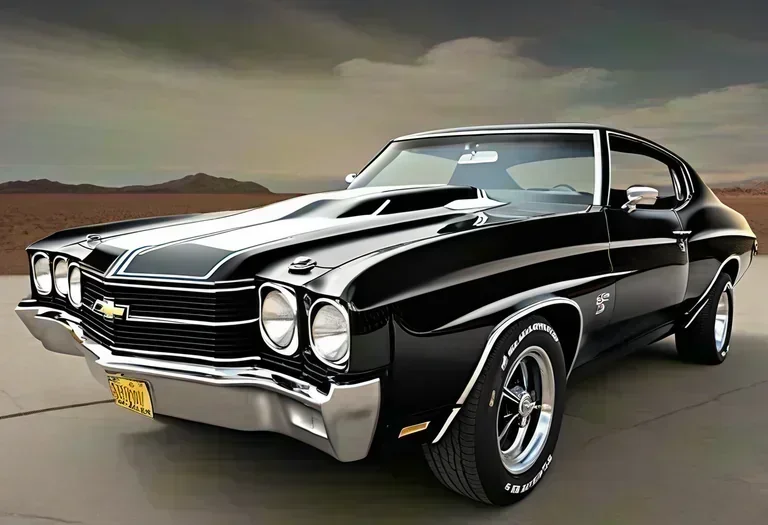
Photographs released after the recovery show the Chevelle looking remarkably complete for a vehicle that had been missing since 1993. The car displays black bodywork, SS badging, chrome wheels, and classic muscle-car styling.
However, photographs alone cannot establish the mechanical condition or originality of the vehicle. The owner may still need to inspect the engine, brakes, fuel system, suspension, tires, and other components before returning the car to regular road use after such a long period of uncertain history.
What Does the Recovery Mean for the Original Owner?
The most important result is that the original owner has been reunited with a car that disappeared 33 years ago.
CHP and the San Mateo Police Department were able to connect the recovered vehicle to the original theft report and establish that it was the same Chevrolet reported stolen in 1993.
The case also demonstrates the value of keeping accurate vehicle records. VIN information, titles, registration documents, photographs, and other ownership records can become critical when a vehicle is recovered years or even decades after it disappears.
Frequently Asked Questions
How long was the 1971 Chevrolet Chevelle SS stolen?
The Chevelle was missing for 33 years. It was reported stolen in 1993 and recovered in California in 2026.
Where was the stolen 1971 Chevelle found?
The car was discovered during a VIN inspection in the Auburn area of California by the California Highway Patrol.
How did police identify the stolen Chevelle?
CHP officers conducted a VIN inspection and discovered that the vehicle was connected to a 1993 stolen-vehicle report from San Mateo County. Investigators then worked with the San Mateo Police Department to confirm its identity.
Was the 1971 Chevelle returned to its original owner?
Yes. After the vehicle’s identity and theft history were confirmed, the 1971 Chevrolet Chevelle was returned to its rightful owner.
Do we know what happened to the Chevelle for 33 years?
No. Authorities have not publicly released a complete account of the vehicle’s whereabouts or ownership during the 33 years between its theft and recovery.
What engine did the 1971 Chevelle SS have?
The 1971 Chevelle SS was available with several V8 engines, including the 7.4-liter 454-cubic-inch LS5 V8, which was rated at 365 gross horsepower.
Why is the 1971 Chevelle SS valuable?
The 1971 Chevelle SS is a desirable classic muscle car because of its performance-oriented Super Sport package, distinctive styling, and availability with Chevrolet’s big-block V8 engines. The value of an individual car depends heavily on its originality, specification, condition, and documentation.
What should I check before buying a classic Chevelle?
Buyers should verify the VIN, title, ownership history, vehicle identification points, and available factory and restoration documentation. A professional inspection and history check are also advisable before purchasing a valuable classic car.