A Hong Kong Shop Crafts Life-Size Paper Cars for Traditional Funerals
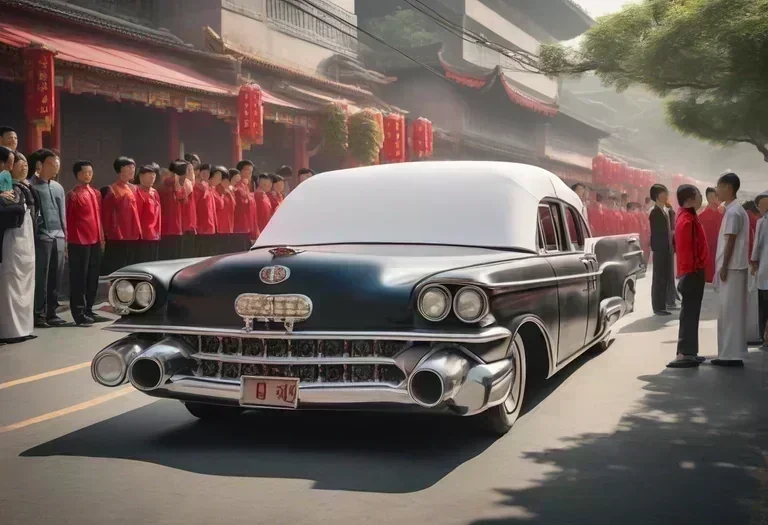
Dachanglong Paper Number creates paper replicas of cars for Chinese funerals, including the AE86, Tesla Model S, and Alfa Romeo Giulia.
Key Takeaways
- Dachanglong Paper Number is a Hong Kong paper-offering shop that creates full-size car replicas for traditional Chinese funeral rituals.
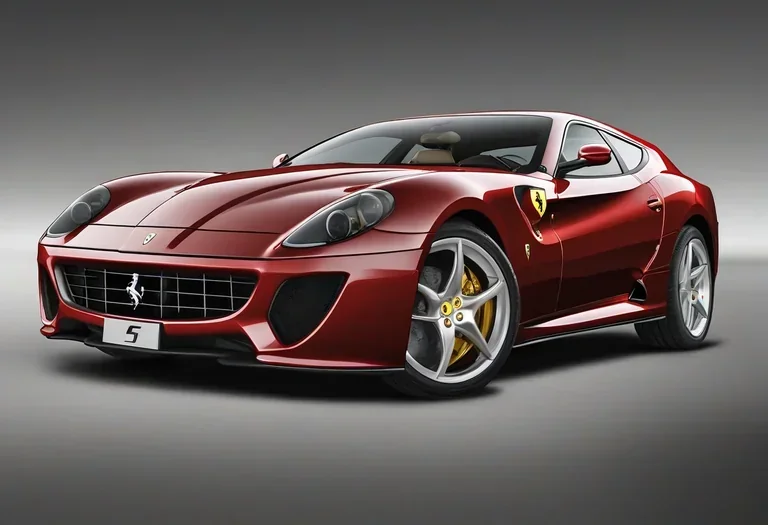
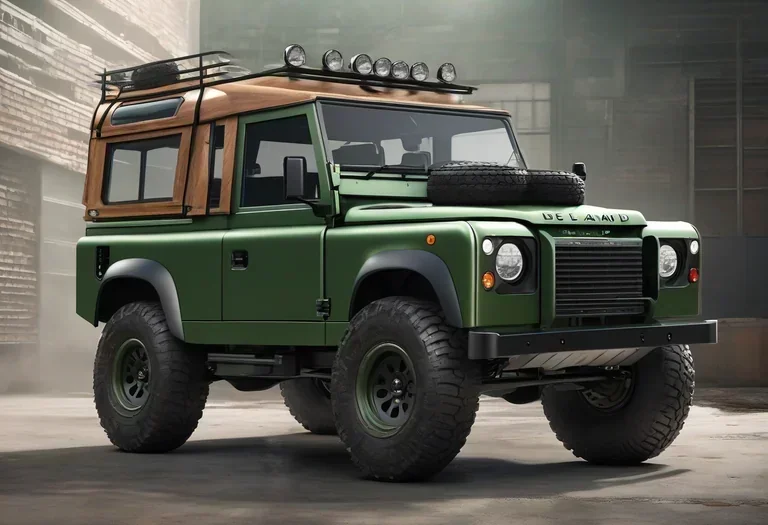
- The workshop has produced paper versions of cars including the Toyota AE86, Tesla Model S, Alfa Romeo Giulia, Porsche Boxster, Land Rover Defender, and BMW iX.
- The cars are made as ritual offerings and are intended to be burned, reflecting the traditional belief that offerings can accompany the deceased into the afterlife.
- The life-size replicas use materials including bamboo framing, paper, transparent material for windows, and highly detailed interior elements.
- The tradition is part of the broader practice of zhizha, or Chinese paper offerings, which has been used in funerary and religious rituals for centuries.
Why Are Paper Cars Used in Chinese Funerals?
Paper cars are a modern expression of a much older Chinese tradition of making and burning paper offerings for the deceased. Known broadly as zhizha, the craft involves creating symbolic objects that represent things the dead might need in the afterlife.
The practice extends well beyond cars. Paper offerings can include houses, clothing, money, furniture, appliances, servants, and other everyday possessions. During funerary rituals, these objects may be burned as offerings for ancestors, reflecting beliefs about continuing relationships between the living and the dead.
The National Heritage Board of Singapore’s overview of Chinese paper offerings notes that the practice dates back to at least the Song Dynasty and describes burning paper offerings as an expression of ancestor worship and filial piety.
What Is Dachanglong Paper Number?
Dachanglong Paper Number is a Hong Kong workshop specializing in paper offerings. Rather than limiting its work to traditional objects, the shop produces remarkably detailed replicas of modern consumer goods, including full-size automobiles.
The workshop’s car replicas reflect how paper-offering traditions have adapted to modern life. A vehicle that might represent wealth, independence, status, or simply a personal passion in life can be recreated as an offering for someone who has died.
That makes the cars more than decorative models. They are temporary ritual objects designed for a specific purpose before ultimately being burned as part of the funeral ceremony.
How Are the Full-Size Paper Cars Made?
The construction is closer to lightweight model-making than conventional paper folding. A structural framework provides the shape of the vehicle, while paper and other lightweight materials create the bodywork and details.
Bamboo strips form an important part of the structure, providing a lightweight framework around which the exterior can be built. Paper is then shaped over the frame, while transparent material can be used to represent the windows.
The attention to detail can extend into the cabin. Reported examples feature recognizable dashboard layouts, seats, steering wheels, wheels, trim details, and even paper driver figures dressed in clothing.
| Construction Element | Purpose |
|---|---|
| Bamboo framework | Creates the lightweight structural shape of the vehicle. |
| Paper bodywork | Forms the exterior panels and recognizable vehicle shape. |
| Transparent material | Represents windows and glazing. |
| Paper interior components | Recreates seats, dashboard, steering wheel, and other cabin details. |
| Paper mannequins | Add human figures to some of the full-size vehicle replicas. |
Which Cars Can Be Ordered as Paper Replicas?
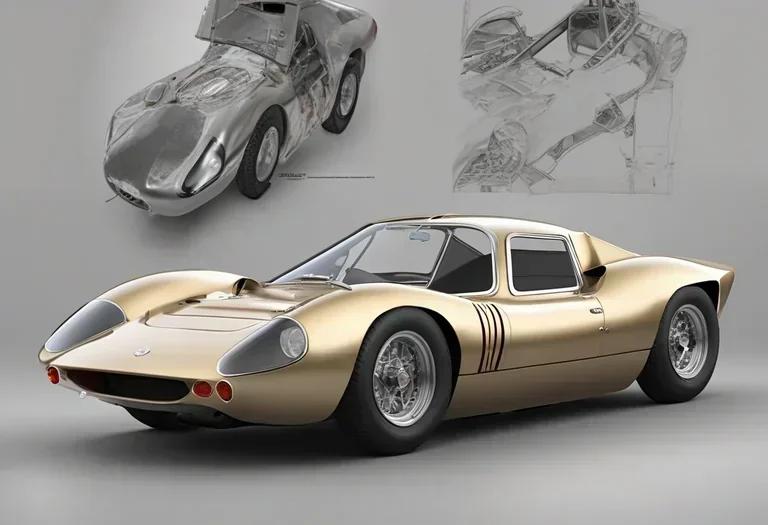
The range demonstrates just how closely modern paper offerings can follow contemporary car culture. Reported examples from Dachanglong include Japanese, European, and American-inspired models rather than a single traditional style of vehicle.
| Paper Car | Vehicle Type | Why It Stands Out |
|---|---|---|
| Toyota AE86 | Japanese sports coupe | Iconic enthusiast and drifting culture connection |
| Tesla Model S | Electric luxury sedan | Modern representation of electric-car technology |
| Alfa Romeo Giulia | Italian sports sedan | Performance-oriented European design |
| Porsche Boxster | Sports car | Recognizable premium performance model |
| Land Rover Defender | Off-road SUV | Distinctive utility-focused design |
| BMW iX | Electric SUV | Modern premium EV representation |
| Mercedes-Benz E-Class W210 | Executive sedan | Classic Mercedes-Benz design |
| Volkswagen Beetle 1300 | Classic compact car | Recognizable vintage design |
| Nissan GT-R | Japanese performance car | Modern Japanese performance icon |
| Zeekr X | Electric crossover | Contemporary Chinese EV |
What Happens to the Paper Cars?
The replicas are not intended to be preserved like conventional scale models. They are made as burnable offerings, meaning the completed car eventually becomes part of the funeral ritual.
Within the beliefs associated with paper offerings, burning provides a way for the symbolic object to reach the deceased in the afterlife. The physical paper replica is therefore temporary, while its intended spiritual function is considered to continue beyond the burning ceremony.
The Museum of Sepulchral Culture explains that paper replicas of cars, houses, electrical appliances, and other possessions can be burned as offerings intended to provide ancestors with comforts in the afterlife. The museum also notes that elaborate paper offerings can be highly detailed and expensive to produce.
Is This a New Tradition?
The cars are modern, but the tradition is not. Chinese paper offerings have a long history, with documented use stretching back centuries. What has changed is the range of objects being represented.
Earlier offerings could represent necessities and possessions associated with traditional life. Modern paper-offering workshops can instead reproduce contemporary homes, electronics, luxury goods, vehicles, and other products that would have been impossible to include in older rituals.
Academic research describes paper offerings as a continuing cultural practice connecting the living and the deceased. The objects can reflect both religious beliefs and changing social expectations about what people might need or value.
Why Make a Paper Car Instead of a Traditional Offering?
A paper car can have a particularly personal meaning when the deceased was a car enthusiast or had a strong attachment to a specific vehicle. Choosing a recognizable model allows the offering to represent something closely associated with that person’s life.
The choice can also reflect modern ideas of prosperity and comfort. Just as paper houses can represent a place to live and paper money can represent financial resources, a paper automobile can symbolize transportation, independence, status, or a prized possession.
In that sense, a paper Tesla, AE86, Porsche, or Defender is not necessarily intended as a literal replacement for a functioning automobile. It is a symbolic offering shaped around the tastes and identity of the deceased.
How Much Do the Paper Cars Cost?
A standard public price list for Dachanglong’s full-size paper cars is not clearly disclosed, so it would be misleading to give a fixed price for a particular model.
The cost of a custom paper vehicle can reasonably vary according to its size, complexity, materials, interior detailing, and amount of handwork. Elaborate Chinese paper offerings in general can be expensive because they require substantial craftsmanship and detailed construction.
| Factor | Potential Effect on Cost |
|---|---|
| Vehicle size | Larger replicas require more materials and construction time. |
| Design complexity | Distinctive bodywork and intricate shapes require additional craftsmanship. |
| Interior detailing | Detailed dashboards, seats, trim, and accessories increase labor. |
| Customization | Personalized colors, graphics, or accessories can add work. |
| Materials | Different structural and finishing materials can affect the final price. |
What Does the Tradition Say About Modern Chinese Funeral Culture?
The paper cars are an example of how traditional funeral customs can evolve without abandoning their underlying symbolism. The ritual remains centered on providing for and honoring the deceased, while the objects being offered change with contemporary lifestyles.
Research on Chinese paper offerings emphasizes that the practice varies considerably by region, family, and ritual context. It is therefore better understood as a broad cultural tradition rather than a single standardized funeral procedure followed by every Chinese family.
For that reason, a life-size paper car should be viewed in its specific cultural and family context rather than as a universal feature of Chinese funerals.
Frequently Asked Questions
What is Dachanglong Paper Number?
Dachanglong Paper Number is a Hong Kong workshop that produces paper offerings, including highly detailed, full-size replicas of modern and classic automobiles for traditional funeral rituals.
Why are paper cars burned at Chinese funerals?
Paper cars are burned as symbolic offerings. In traditions involving paper offerings, burning is understood as a way of transferring the represented object to the deceased in the afterlife.
What is zhizha?
Zhizha refers broadly to Chinese paper craft used to make symbolic offerings and ritual objects. The practice includes paper representations of houses, money, clothing, vehicles, furniture, and other possessions.
What materials are used to make the paper cars?
The reported full-size replicas use materials including bamboo strips for structural support, paper for the body and details, and transparent material for windows. Some examples also feature detailed paper interiors and driver mannequins.
What car models does Dachanglong Paper Number make?
Reported examples include the Toyota AE86, Tesla Model S, Alfa Romeo Giulia, Porsche Boxster, Land Rover Defender, BMW iX, Zeekr X, Mercedes-Benz E-Class W210, Volkswagen Beetle 1300, and Nissan GT-R.
Are the paper cars real vehicles?
No. They are full-size symbolic replicas made primarily from lightweight materials for use as funeral offerings. They are not functional automobiles.
How much does a life-size paper car cost?
Dachanglong’s pricing for individual paper cars is not publicly established in the available information. The final cost can vary depending on the vehicle, size, materials, and level of customization.
How old is the tradition of Chinese paper offerings?
The practice of burning Chinese paper offerings dates back centuries, with historical evidence placing its widespread use in ritual contexts at least as far back as the Song Dynasty.