New Rider's 106 MPH Run Ends With His Motorcycle Behind Bars
A 26-year-old learner motorcyclist in Australia was clocked at 106 mph in a 50 mph zone, resulting in his motorcycle being impounded for 30 days.
Key Takeaways
- A 26-year-old learner motorcyclist in Australia was allegedly recorded traveling at 171 km/h (106 mph) in an 80 km/h (50 mph) zone.
- The rider had reportedly held his learner’s permit for only a few months before the incident.
- Victoria Police impounded the motorcycle for 30 days following the alleged speeding offense.
- The rider will reportedly need to pay AU$1,291 to have the motorcycle released from the impound yard.
- Police expect the rider to face charges including exceeding the speed limit by 45 km/h or more and dangerous speeding.
- The incident happened on the Princes Highway and Princes Way in Victoria and ended without a reported crash or injuries.
What Happened in the Australian Speeding Incident?
A learner motorcyclist in Victoria, Australia, is facing serious consequences after police allegedly recorded him traveling at 171 km/h (106 mph) on a road with an 80 km/h (50 mph) speed limit.
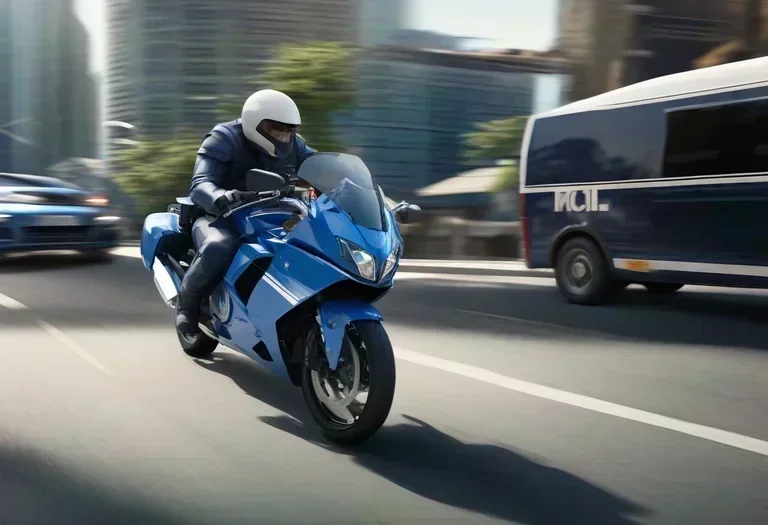
Victoria Police said Cardinia Highway Patrol officers spotted a blue motorcycle traveling at high speed on the Princes Highway in Longwarry North at approximately 11:50 a.m. on August 28.
Police followed the motorcycle as it continued onto Princes Way. During the pursuit, officers recorded the motorcycle traveling at 171 km/h, which was 91 km/h above the posted limit.
The alleged speed is particularly significant because the rider was not an experienced full-license motorcyclist. Police identified him as a 26-year-old man who was still operating under a learner’s permit.
How Much Over the Speed Limit Was the Motorcycle?
The motorcycle was allegedly traveling at 171 km/h in an 80 km/h zone.
That means the rider was reportedly 91 km/h over the posted speed limit, or more than twice the legal speed.
In U.S. units, the alleged speed was approximately 106 mph in a 50 mph zone. The difference is substantial enough to place the incident in a serious speeding category under Victorian road laws.
At 171 km/h, the motorcycle is traveling approximately 47.5 meters every second. This means even a brief delay in recognizing a hazard can translate into a considerable distance traveled before the rider reacts.
Where Did the Incident Happen?
The incident occurred in Victoria, Australia, in the Longwarry North area.
According to police, officers initially observed the blue motorcycle on the Princes Highway. The motorcycle then continued onto Princes Way, where its speed was recorded at 171 km/h.
The posted speed limit on the relevant section of road was 80 km/h.
The location is important because the alleged offense did not occur on a closed racetrack or private property. The motorcycle was reportedly being ridden at extreme speed on public roads, where other motorists and road users could have been exposed to the consequences of a collision.
Why Was the Rider’s Learner Permit Important?
The rider was reportedly operating on a learner’s motorcycle permit and had held it for only a few months.
That detail adds another layer to the incident because learner riders are still developing their riding skills and are subject to specific licensing requirements and restrictions.
A motorcycle traveling at 171 km/h leaves very little margin for error, regardless of the rider’s experience. For someone who has only recently begun riding under a learner permit, the combination of limited experience and extreme speed can create an especially dangerous situation.
The learner status also means the incident could have consequences beyond the immediate speeding allegations, depending on the outcome of the legal proceedings and the applicable Victorian licensing rules.
What Charges Could the Motorcyclist Face?
Victoria Police said the rider is expected to be charged by summons with exceeding the speed limit by 45 km/h or more and dangerous speeding.
The alleged 171 km/h speed places the rider well above the threshold referenced by police. The motorcycle was reportedly traveling 91 km/h above the posted 80 km/h limit.
A summons means the matter can proceed through the court system rather than being resolved solely through an immediate roadside penalty. The final outcome, including any penalties, will depend on the legal process and the specific charges ultimately brought against the rider.
The charges are allegations at this stage. A charge does not itself establish guilt, and the rider remains entitled to the applicable legal process.
Why Was the Motorcycle Impounded?
Police impounded the motorcycle for 30 days following the incident.
Vehicle impoundment is an additional consequence that can be particularly significant for motorcycle riders because it removes the vehicle from the rider’s possession while the impound period is in effect.
The rider will reportedly have to pay AU$1,291 to have the motorcycle released from the impound yard.
That cost is separate from any fines, court penalties, licensing consequences or other sanctions that could result from the alleged offenses.
In other words, the 30-day impoundment and AU$1,291 release cost do not necessarily represent the full financial consequences of the incident.
How Fast Was the Rider Compared With the Legal Limit?
| Measure | Reported Value |
|---|---|
| Alleged motorcycle speed | 171 km/h (106 mph) |
| Posted speed limit | 80 km/h (50 mph) |
| Speed above limit | 91 km/h (56 mph) |
| Approximate multiple of speed limit | 2.14 times the posted limit |
| Rider’s age | 26 |
| License status | Learner’s permit |
| Reported permit duration | A few months |
| Motorcycle impound period | 30 days |
| Reported motorcycle release cost | AU$1,291 |
What Happens to the Motorcycle During the Impound?
The motorcycle has reportedly been impounded for 30 days following the alleged speeding offense.
During an impound period, the owner or rider cannot simply continue using the motorcycle as normal. The vehicle remains subject to the relevant impoundment process, with release conditions and associated costs applying before it can be returned.
In this case, the reported release cost is AU$1,291. That figure represents an immediate financial consequence of the impoundment, while the rider could face additional costs depending on the outcome of the court proceedings.
For a motorcycle owner, losing access to the vehicle for a month can also create practical problems, particularly if the motorcycle is used for commuting or other regular transportation.
Did Anyone Get Hurt?
The incident ended without a reported crash or injuries.
That is notable given the speed involved. A motorcycle traveling at 171 km/h has considerably less time to respond to unexpected road conditions than a vehicle traveling at the posted 80 km/h limit.
Although no collision was reported in connection with the incident, police enforcement of extreme speeding offenses is intended to address the risk created before a crash occurs.
For motorcycle riders in particular, excessive speed can increase both the likelihood and potential severity of a crash. Motorcyclists have less physical protection than occupants of passenger vehicles, making appropriate speed selection an important part of riding.
Why Is Extreme Speeding Especially Dangerous on a Motorcycle?
Speed affects more than simply how quickly a motorcycle travels between two points. As speed increases, the rider has less time to process information and respond to changing conditions.
Road surfaces, intersections, vehicles entering the roadway, pedestrians, wildlife, debris and unexpected changes in traffic can all become hazards. A motorcycle traveling at 171 km/h covers approximately 47.5 meters each second.
That means a rider who takes even two seconds to recognize and respond to a developing hazard could travel almost 95 meters before accounting for the motorcycle’s braking distance.
Braking distance also increases as speed rises. The exact distance depends on factors such as tires, road surface, motorcycle condition, rider reaction time and braking technique, but higher speeds require substantially more distance to stop.
The consequences of a loss of control can also be severe for a motorcycle rider because there is no surrounding passenger compartment to absorb impact forces.
What Does This Incident Mean for Learner Riders?
The case highlights the responsibilities that come with learning to ride a motorcycle on public roads.
Learner riders are still building fundamental skills such as cornering, braking, hazard perception, throttle control and positioning. Those skills need to be developed progressively rather than tested at extreme speeds.
A learner permit is intended to provide a controlled pathway toward full riding privileges. Serious traffic violations during this period can have consequences for licensing and future riding opportunities.
The incident also demonstrates why speed limits should not be treated as suggestions. They are established with road design, traffic conditions and expected hazards in mind.
Could the Rider Face More Than a Fine?
Yes. The reported consequences extend beyond a potential monetary penalty.
The motorcycle has already been impounded for 30 days, and the rider is reportedly required to pay AU$1,291 for its release. He is also expected to face charges relating to excessive speeding and dangerous speeding.
Depending on the outcome of the case and the applicable Victorian laws, serious traffic offenses can potentially affect a driver’s or rider’s license in addition to imposing financial penalties.
Because the charges are expected to be dealt with through the legal system, the final penalties cannot be determined solely from the initial police allegations.
What Are the Reported Penalties So Far?
| Consequence | Reported Detail |
|---|---|
| Motorcycle impoundment | 30 days |
| Motorcycle release cost | AU$1,291 |
| Expected charge | Exceeding the speed limit by 45 km/h or more |
| Additional expected charge | Dangerous speeding |
| Further court penalties | To be determined through the legal process |
What Can Motorcycle Riders Learn From the Incident?
The most obvious lesson is that extreme speed on public roads can result in serious legal and financial consequences even when a crash does not occur.
For learner riders, the case is an especially clear reminder that developing riding skills should take priority over testing the limits of a motorcycle.
Public roads are unpredictable environments. Unlike a controlled racetrack, they include intersections, opposing traffic, roadside hazards, changing surfaces and other road users who may not anticipate a motorcycle approaching at extreme speed.
Following the posted speed limit also gives riders more time to recognize hazards and more distance in which to respond. That additional margin can be critical on a motorcycle.
Australian Motorcycle Speeding Incident: Key Facts
| Category | Reported Information |
|---|---|
| Country | Australia |
| State | Victoria |
| Location | Longwarry North, Princes Highway and Princes Way |
| Rider | 26-year-old man |
| License | Learner’s permit |
| Reported motorcycle speed | 171 km/h (106 mph) |
| Speed limit | 80 km/h (50 mph) |
| Excess over limit | 91 km/h (56 mph) |
| Impoundment | 30 days |
| Release fee | AU$1,291 |
| Expected charges | Exceeding the speed limit by 45 km/h or more and dangerous speeding |
| Reported injuries | None |
Conclusion
A 26-year-old learner motorcyclist in Victoria is facing serious consequences after allegedly being recorded at 171 km/h (106 mph) in an 80 km/h (50 mph) zone.
The incident began when Cardinia Highway Patrol officers reportedly spotted a blue motorcycle on the Princes Highway in Longwarry North. Police followed the rider onto Princes Way, where the motorcycle was allegedly recorded traveling at 171 km/h.
The rider had reportedly held his learner’s permit for only a few months. Police expect him to face charges for exceeding the speed limit by 45 km/h or more and dangerous speeding.
The motorcycle has also been impounded for 30 days, with a reported AU$1,291 release cost. Those consequences are in addition to any penalties that could follow the court process.
No crash or injuries were reported, but the absence of a collision does not change the level of risk associated with the alleged behavior. At 171 km/h, a motorcycle covers almost 48 meters every second, leaving very little time to react to unexpected hazards on a public road.
The case serves as a particularly strong reminder for learner riders that motorcycle performance needs to be matched with appropriate judgment, road conditions and legal speed limits. Extreme speeding can have consequences long before an accident occurs, including vehicle impoundment, substantial costs and serious legal charges.
Frequently Asked Questions
Q: How fast was the Australian motorcyclist allegedly riding?
The 26-year-old learner motorcyclist was allegedly recorded traveling at 171 km/h (106 mph) on a road with an 80 km/h (50 mph) speed limit.
Q: How far over the speed limit was the motorcycle?
The motorcycle was allegedly traveling 91 km/h (56 mph) above the posted 80 km/h speed limit.
Q: Where did the motorcycle speeding incident happen?
The incident occurred in Longwarry North, Victoria, with police initially spotting the motorcycle on the Princes Highway before following it onto Princes Way.
Q: Was the motorcyclist a fully licensed rider?
No. Police said the 26-year-old rider was operating under a learner’s permit that he had held for only a few months.
Q: What charges is the motorcyclist expected to face?
The rider is expected to be charged by summons with exceeding the speed limit by 45 km/h or more and dangerous speeding.
Q: How long was the motorcycle impounded?
Victoria Police impounded the motorcycle for 30 days following the alleged speeding offense.
Q: How much does the rider have to pay to get the motorcycle back?
The reported cost to have the motorcycle released from the impound yard is AU$1,291.
Q: Did the speeding incident result in a crash?
No crash or injuries were reported in connection with the incident.
Q: Could the rider face additional penalties?
Yes. The rider may face further penalties depending on the outcome of the charges and the applicable Victorian laws. The reported impoundment and release fee are separate from any court-imposed penalties.
Q: Why is speeding particularly dangerous for learner motorcyclists?
Extreme speed reduces the time available to recognize hazards and increases the distance required to stop. Learner riders are also still developing their motorcycle handling and hazard-perception skills, making safe speeds particularly important.