Bugatti's Tourbillon V16 Engine Designed to Sound 'Dirty and Raw'
Bugatti's Tourbillon V16 engine is designed to sound 'dirty and raw' while meeting strict homologation testing
Key Takeaways
- Bugatti deliberately made the Tourbillon’s V16 engine sound ‘dirty and raw’ while meeting strict homologation testing
- Thousands of simulations helped engineers tune its exhaust and intake systems
- No artificial engine noise is pumped through the Tourbillon’s speakers
- The engine can rev to 9,000 rpm and meets homologation noise requirements
- The acoustic development process took three years to complete
What Makes the Tourbillon’s V16 Sound Unique?
Bugatti’s soundtrack came courtesy of one of the strangest production engines ever conceived, the quad-turbo W16. Now, the W16 is gone, replaced by an equally unusual naturally aspirated V16 capable of screaming to 9,000 rpm.
The automaker has detailed the acoustic development behind the new Tourbillon, revealing that engineers deliberately retained some of the rougher characteristics associated with its old W16. “Bugatti, from a sound perspective, has never had a very clean-sounding engine,” said Romain Volatier, Bugatti’s head of NVH and acoustics.
How Did Bugatti Achieve the Desired Sound?
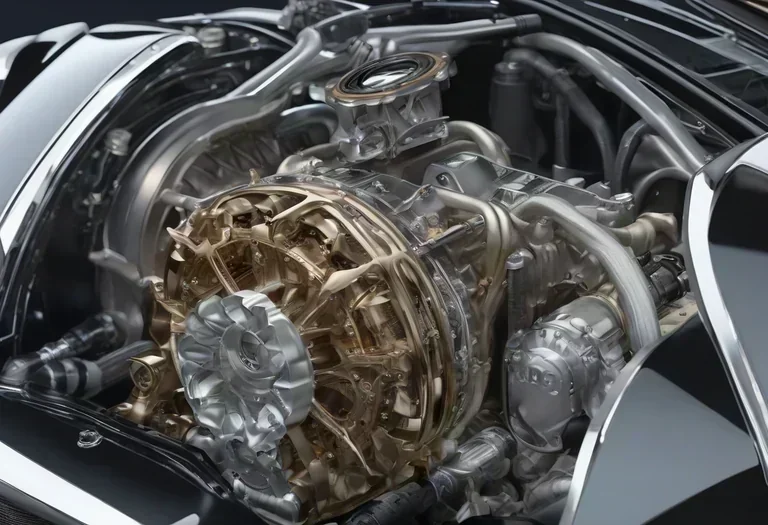
Getting the desired sound wasn’t simply a matter of bolting on a loud exhaust. Engineers ran thousands of simulations involving the Tourbillon’s exhaust and intake systems.
All the while, they were searching for a balance between outright performance, refinement, and that intentionally raw character. There was another requirement, too: the sound needed to communicate what the engine was actually doing.
What Were the Challenges in Developing the Tourbillon’s Sound?
Development driver Paolo Magrone says hearing engine speed rise with throttle input is an important part of connecting the driver with the car.
At the same time, Bugatti wanted the Tourbillon to remain comfortable when simply cruising around, particularly with its windows closed or when operating electrically.
How Did Bugatti Meet Homologation Noise Requirements?
On top of that, the team had two other priorities. First, it’s not using any faux exhaust or intake noise whatsoever. None of the sound is coming from speakers.
Second, it had to ensure that the car could pass homologation tests that require it to be no louder than 72 decibels.
What Does the Future Hold for the Tourbillon’s V16 Engine?
After three years of Tourbillon development, Bugatti says the major acoustic work is now finished.
The result is a naturally aspirated V16 that revs to 9,000 rpm, uses no speaker trickery, and has successfully cleared its homologation noise requirements.
Frequently Asked Questions
Q: What makes the Tourbillon’s V16 engine sound unique?
The Tourbillon’s V16 engine is designed to sound ‘dirty and raw’ while meeting strict homologation testing. This is achieved through the use of thousands of simulations to tune its exhaust and intake systems.
Q: How did Bugatti achieve the desired sound?
Bugatti achieved the desired sound by running thousands of simulations involving the Tourbillon’s exhaust and intake systems, searching for a balance between performance, refinement, and raw character.
Q: What were the challenges in developing the Tourbillon’s sound?
The challenges in developing the Tourbillon’s sound included finding a balance between performance, refinement, and raw character, as well as meeting homologation noise requirements.