Mercedes' E-Class Electric Sheds Camouflage, Reveals Conventional Body Shape
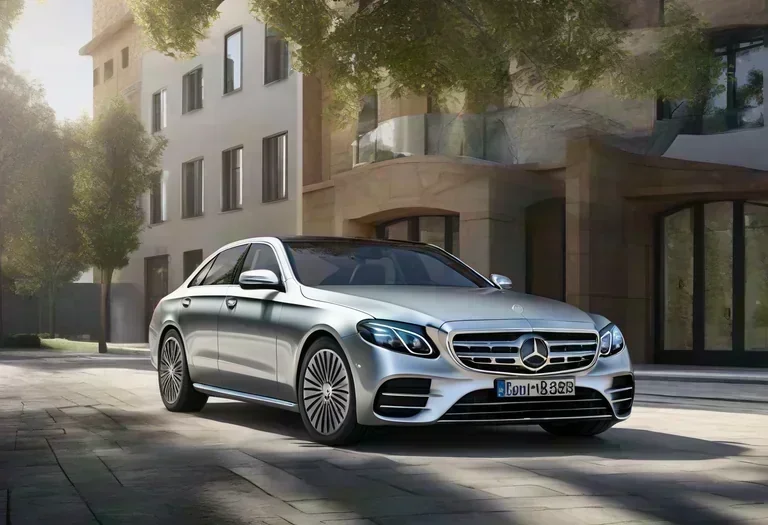
Mercedes-Benz's upcoming E-Class Electric loses camouflage, showing off its production headlights and a more conventional body shape.
Key Takeaways
- Mercedes-Benz’s E-Class Electric has shed its camouflage, revealing production headlights and a conventional body shape.
- The new rear lights feature straight-line graphics, ditching the star graphics of previous models.
- The E-Class Electric is expected to feature an 800-volt electrical system and rapid charging speeds.
- A dual-motor E400 version could deliver 482 hp and a zero-to-62 mph time of just over 4 seconds.
- The E-Class Electric is expected to feature a full-pillar-to-pillar digital dashboard in its most luxurious form.
What Does the E-Class Electric Look Like?
The latest prototype of the E-Class Electric has ditched much of the heavy camouflage we saw when we last caught an E-Class Electric testing in January. We’ve got our first proper look at the production headlights, which reveals a pair of Mercedes’ star-shaped daytime running lights in each lamp cluster.
The new rear lights feature straight-line graphics, ditching the star graphics of previous models. This gives the E-Class Electric a cleaner and more conventional look, which is a departure from the soap-bar styling of the EQE.
What’s Under the Skin?
Beneath the skin is Mercedes’ MB.EA architecture already in play with the C-Class Electric and its GLC SUV cousin. Based on what we know of those cars, the E-Class will feature an 800-volt electrical system, and charging speeds reaching 330 kW.
This is not quite a match for the 400 kW inhalation rate of BMW’s Neue Klasse iX3 and i3, but it easily trumps the 205 kW offered by the Benz’s direct rival, the BMW i5, and the 270 kW of Audi’s A6 e-tron.
How Does it Compare to the Competition?
The E-Class Electric’s charging speeds and power output put it in a competitive position against its rivals. A dual-motor E400 version using the C400 4Matic’s setup could deliver 482 hp (489 PS / 360 kW) and a zero-to-62 mph (100 km/h) time of just over 4 seconds.
The C400 employs a 94 kWh gross battery to deliver 473 miles (762 km) of claimed WLTP range, and Mercedes might not feel the need to go bigger because the i5’s pack is only 84 kWh gross and promises 356 miles (573 miles).
What Can We Expect Inside?
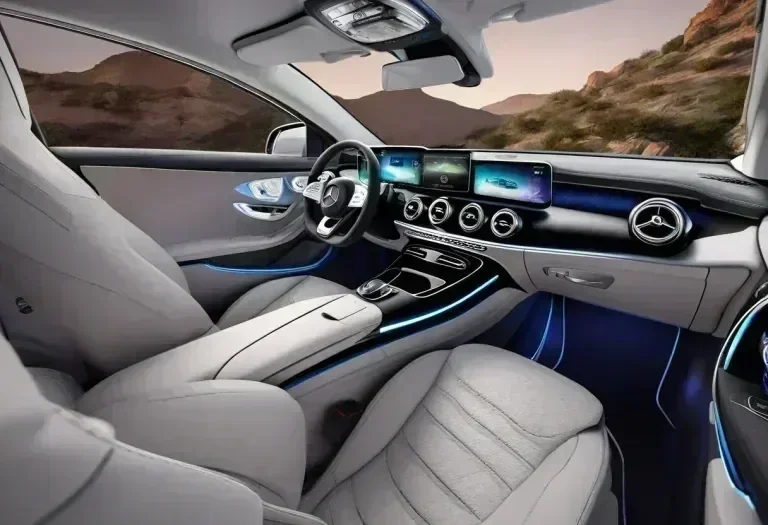
We can’t see inside the E-Class Electric in these pictures, but again, the existing EVs have set a precedent we expect Mercedes to keep following. If it does, the mid-size sedan will get a full-pillar-to-pillar digital dashboard in its most luxurious form.
Specifications
| Specification | Value |
|---|---|
| Electrical System | 800-volt |
| Charging Speed | 330 kW |
| Power Output (E400) | 482 hp (489 PS / 360 kW) |
| Zero-to-62 mph Time (E400) | just over 4 seconds |
Pros and Cons
Pros
- Conventional body shape
- Rapid charging speeds
- Competitive power output
- Full-pillar-to-pillar digital dashboard
Cons
- No wagon body style option
- Charging speeds not as fast as some rivals
- No confirmed specifications
- Price not yet announced
Frequently Asked Questions
Q: What does the E-Class Electric look like?
The E-Class Electric has a conventional body shape, with production headlights featuring Mercedes’ star-shaped daytime running lights. The new rear lights feature straight-line graphics, ditching the star graphics of previous models.
Q: What’s under the skin of the E-Class Electric?
The E-Class Electric features Mercedes’ MB.EA architecture, which is already in play with the C-Class Electric and its GLC SUV cousin. This means it will have an 800-volt electrical system and charging speeds reaching 330 kW.
Q: How does the E-Class Electric compare to the competition?
The E-Class Electric’s charging speeds and power output put it in a competitive position against its rivals. A dual-motor E400 version could deliver 482 hp (489 PS / 360 kW) and a zero-to-62 mph (100 km/h) time of just over 4 seconds.