BYD’s Flagship Sedan Is Coming For The Rolls-Royce Phantom
BYD's luxury-focused Yangwang brand is set to launch a new all-electric sedan that will rival the Rolls-Royce Phantom, featuring coach doors, advanced LiDAR sensor, and a possible debut of solid-state batteries.
Key Takeaways
- YangWang’s new all-electric model will include coach doors like a Rolls-Royce.
- It’s possible the new sedan will be BYD’s first car with solid-state batteries.
- The model features advanced LiDAR sensor and BYD’s latest autonomous driving system.
- The new YangWang model is big and imposing, giving it an air of exclusivity.
- Unlike a Rolls-Royce Phantom, YangWang’s next luxury sedan is tipped to be sold exclusively as an EV.
What Inspired BYD’s Luxury Sedan?
BYD’s luxury-focused Yangwang brand is about to welcome a new model, and it’s poised to push the brand even further upmarket. Evidently, BYD is no longer satisfied with taking over the mass market, snatching sales from legacy rivals like Toyota, Honda, Mazda, Ford, and others, but it now also wants to convince Rolls-Royce, Bentley, and Mercedes-Maybach shoppers to buy Chinese.
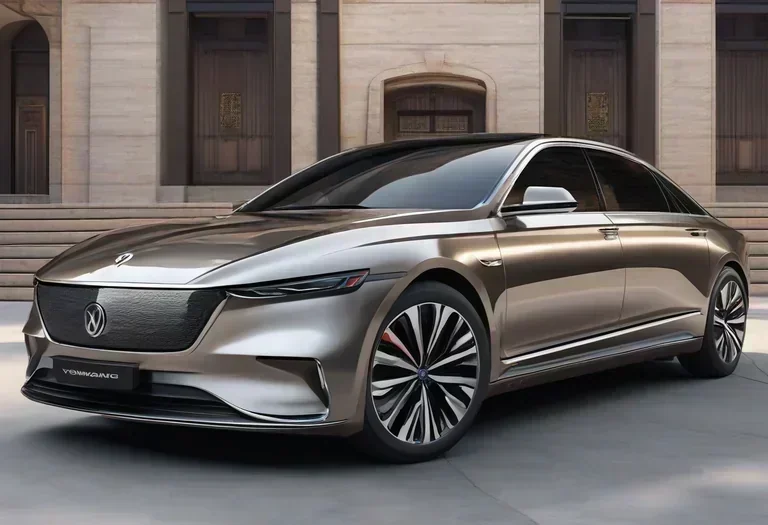
The new uber-luxury sedan has been previewed through images of a heavily disguised prototype at a mystery testing facility. Much like a Rolls-Royce Phantom, the new YangWang model is big and imposing, giving it an air of exclusivity most Chinese car manufacturers have so far failed to achieve.
Coach Doors, A Rolls-Royce-Inspired Feature
Viewed from the side, the car’s wheelbase appears absolutely massive, although it’s hard to say if it’ll be as long as the extended-wheelbase Rolls-Royce Phantom. Nevertheless, we can see it rocks one obvious Rolls-Royce-inspired feature, namely coach doors at the rear. It also features large windows behind the C-pillars, suggesting it will focus heavily on maximizing comfort and luxury in the second row.
Advanced Technology Features
The new YangWang also rocks a LiDAR sensor above the windshield and is expected to use the company’s advanced DiPilot 600 semi-autonomous driving system.
Unlike a Rolls-Royce Phantom, YangWang’s next luxury sedan is tipped to be sold exclusively as an EV. According to CarNewsChina, it could be one of the most advanced EVs on the market, potentially launching as BYD’s first model with solid-state batteries.
A Possible Debut Of Solid-State Batteries
In September, BYD executive vice president Stella Li confirmed the brand would launch its first solid-state-battery-powered EV in 2027. Given that the technology has yet to be commercialized at scale and will therefore be quite expensive, debuting it in a flagship luxury model like this one makes perfect sense.
Specifications
| Specification | Value |
|---|---|
| Battery Type | Possible solid-state batteries |
| Autonomous Driving System | DiPilot 600 semi-autonomous driving system |
| Sensor Technology | LiDAR sensor |
Pros and Cons
Pros
- Coach doors for added luxury and exclusivity
- Advanced LiDAR sensor and DiPilot 600 semi-autonomous driving system
- Possible debut of solid-state batteries
- Exclusive EV model with a focus on comfort and luxury
Cons
- Price is expected to be high due to the use of solid-state batteries
- Range and performance specifications are not yet available
- Design may not appeal to all luxury car buyers
- Competition from established luxury brands like Rolls-Royce and Mercedes-Maybach
Frequently Asked Questions
Q: What is the new YangWang model expected to feature?
A: The new YangWang model is expected to feature coach doors, advanced LiDAR sensor, and BYD’s latest autonomous driving system. It may also debut solid-state batteries.
Q: How does the new YangWang model compare to the Rolls-Royce Phantom?
A: The new YangWang model is expected to be similar in size and luxury features to the Rolls-Royce Phantom, but it will be sold exclusively as an EV.
Q: When is the new YangWang model expected to launch?
A: The exact launch date of the new YangWang model is not yet confirmed, but BYD executive vice president Stella Li confirmed that the brand would launch its first solid-state-battery-powered EV in 2027.