Belgian Test Finds Tesla FSD Speeding And Trying To Pass Cyclists Illegally
A three-day Belgian test raises questions about Tesla Full Self-Driving system speed control ahead of a possible vote on wider EU approval
Key Takeaways
- Tesla’s Full Self-Driving (FSD) system exceeded the speed limit in 16 of 29 tested Brussels road segments.
- The system sometimes displayed an incorrect speed limit to the driver, showing 50 km/h (31 mph) after detecting a 30 km/h (19 mph) sign.
- FSD attempted to pass cyclists on Belgian cycle streets, where overtaking is prohibited.
- The system generally yielded to pedestrians and cyclists, but its speed limit errors raise concerns.
- Regulators in the Netherlands and Belgium are being asked to revisit FSD’s approvals ahead of a possible EU vote.
What Went Wrong with Tesla’s FSD Speed Control?
The Belgian road-safety group, Johanna.be, tested a Tesla Model 3 with FSD version 14.2.2.6 in Standard mode, covering approximately 400 km (249 miles) over three days in July.
The test revealed that FSD exceeded the 30 km/h limit on 16 of 29 tested road segments, with an average highest speed of 44 km/h (27 mph) on those segments.
In some cases, the system briefly displayed the correct 30 km/h limit before reverting to an incorrect 50 km/h limit.
How Did FSD Perform Around Cyclists?
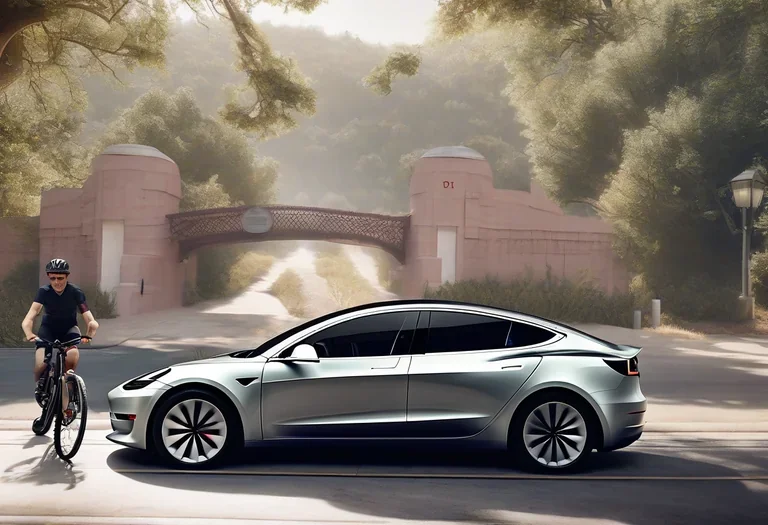
The system attempted to pass cyclists on Belgian cycle streets, where overtaking is prohibited, and the supervising driver had to intervene to stop these attempts.
However, FSD generally yielded to pedestrians and cyclists, demonstrating courteous behavior around them.
What Are the Implications for FSD’s EU Approval?
The test’s findings have raised concerns about FSD’s speed control and its potential impact on road safety.
Regulators in the Netherlands and Belgium are being asked to revisit FSD’s approvals ahead of a possible EU vote, scheduled for October 6.
How Does This Affect Tesla Drivers?
While drivers remain responsible for the car, the system’s errors can make it harder for them to exercise that responsibility.
Tesla drivers should be aware of the potential for FSD to misread speed limits and take necessary precautions to ensure safe driving.
What’s Next for FSD?
The Dutch regulator, RDW, has received the report and will assess it in context.
Tesla has not responded to requests for comment on the matter.
Specifications
| Specification | Value |
|---|---|
| Tested FSD version | 14.2.2.6 |
| Tested road segments | 29 |
| Segments where FSD exceeded the limit | 16 |
| Average highest speed on exceeded segments | 44 km/h (27 mph) |
Frequently Asked Questions
Q: What was the purpose of the Belgian test?
The test aimed to evaluate Tesla’s Full Self-Driving system’s speed control in low-speed road segments.
Q: What were the findings of the test?
The test found that FSD exceeded the speed limit in 16 of 29 tested road segments and displayed incorrect speed limits to the driver.
Q: What are the implications for FSD’s EU approval?
The test’s findings have raised concerns about FSD’s speed control, and regulators are being asked to revisit its approvals ahead of a possible EU vote.