China Bans Turquoise Self-Driving Lights That Were Never Actually Legal
Chinese regulators are banning turquoise exterior lights used by self-driving cars, citing non-compliance with local laws.
Key Takeaways
- China’s Ministry of Industry and Information Technology has ordered companies to stop equipping passenger vehicles with turquoise self-driving lights.
- The lights do not comply with GB 4785 requirements, which only permit exterior light colors of white, yellow, amber, and red.
- Li Auto is credited with being the first automaker to use turquoise lights for autonomous driving modes in 2022.
- The trend spread to other Chinese brands and Western names like Mercedes and Cadillac.
- Regulators still need to decide how to deal with the hundreds of thousands of cars already on the roads with these lights.
Why Are Turquoise Self-Driving Lights Being Banned in China?
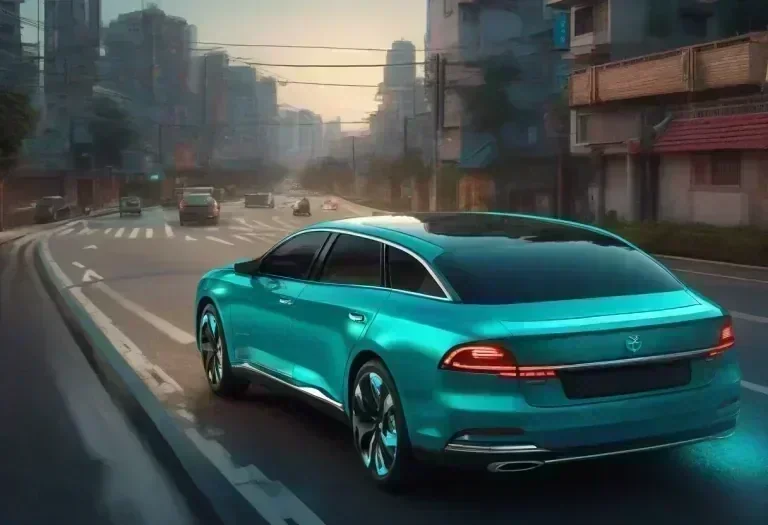
Chinese regulators have moved to ban turquoise exterior lights used by self-driving cars, citing non-compliance with local laws. The Ministry of Industry and Information Technology has ordered companies to stop equipping passenger vehicles with these lights, which do not meet the requirements of GB 4785.
This standard, which took effect in July 2020, relates to the exterior lighting and light-signaling devices used by motor vehicles and trailers. The only permitted colors are white, yellow, amber, and red, not turquoise.
How Did Turquoise Self-Driving Lights Become So Popular?
Li Auto is widely credited with being the first automaker to use turquoise lights to signal when its cars were driving themselves, starting in 2022. The trend quickly spread to other Chinese brands and even some Western names like Mercedes and Cadillac.
However, it seems that China’s car industry has developed so quickly that local laws have been unable to keep up. Rather than updating the laws, companies are being forced to fall in line with established legislation.
What Are the Implications of the Ban?
The ban on turquoise self-driving lights has significant implications for the hundreds of thousands of cars already on the roads with these lights. Regulators still need to decide whether these cars will be allowed to continue using the lights or if they will need to be disabled.
Some road users have complained about the brightness and installation of the lights, which can be distracting for drivers. The ban may be a welcome relief for these individuals, but it also raises questions about how the industry will adapt to the new regulations.
How Will the Industry Respond to the Ban?
It remains to be seen how the industry will respond to the ban on turquoise self-driving lights. Companies may need to redesign their lighting systems to comply with the new regulations, which could be a costly and time-consuming process.
However, the ban also presents an opportunity for innovation and the development of new lighting technologies that meet the requirements of GB 4785. As the industry continues to evolve, it will be interesting to see how manufacturers adapt to the changing regulatory landscape.
What Does the Future Hold for Autonomous Vehicles in China?
The ban on turquoise self-driving lights is just one example of the challenges facing the autonomous vehicle industry in China. As the industry continues to grow and develop, it will be important for regulators and manufacturers to work together to create a safe and effective framework for the deployment of autonomous vehicles.
Despite the challenges, the future of autonomous vehicles in China looks bright. With the government’s support and investment in the industry, it is likely that we will see significant advancements in the coming years.
Frequently Asked Questions
Q: What is the reason for the ban on turquoise self-driving lights in China?
The ban is due to the lights not complying with GB 4785 requirements, which only permit exterior light colors of white, yellow, amber, and red.
Q: Which company is credited with starting the trend of using turquoise lights for autonomous driving modes?
Li Auto is credited with being the first automaker to use turquoise lights for autonomous driving modes in 2022.
Q: What are the implications of the ban for cars already on the roads with turquoise self-driving lights?
Regulators still need to decide whether these cars will be allowed to continue using the lights or if they will need to be disabled.