Cops Used ‘LMAO,’ ‘Idk’ And Keyboard Gibberish To Justify License Plate Searches
An investigation by the Electronic Frontier Foundation found officers entering reasons including 'LOL,' 'LMAO,' 'Sexy,' 'idk,' and keyboard gibberish for automated license plate reader searches.
Key Takeaways
- The Electronic Frontier Foundation found bizarre justifications in police ALPR search logs, including ‘LOL,’ ‘LMAO,’ ‘Sexy,’ ‘idk,’ and keyboard gibberish.
- Some departments said questionable searches still involved legitimate investigations, while others attributed them to frustration with the software.
- Flock has moved away from requiring free-text explanations, instead using a dropdown menu, which EFF argues could make accountability more difficult.
- Other companies, such as Axon, require users to select an offense category and provide a written reason for the search.
- The issue highlights the need for transparency and accountability in the use of automated license plate readers.
What are Automated License Plate Readers?
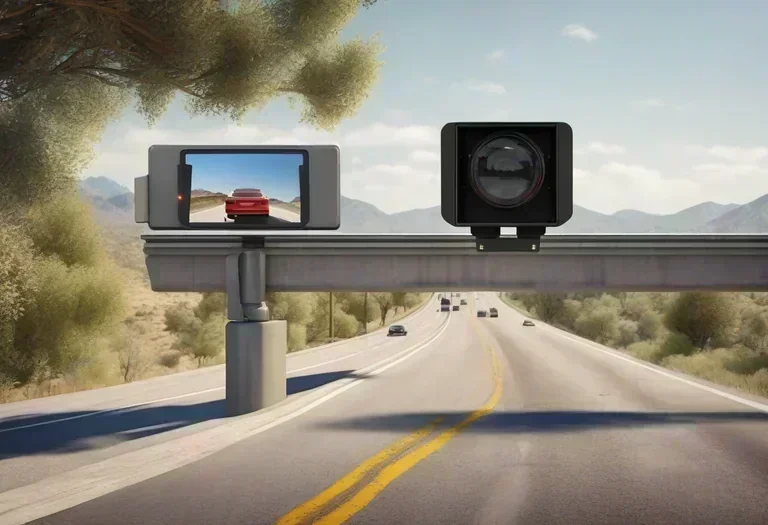
Automated license plate readers (ALPRs) are surveillance systems capable of searching tens of thousands of cameras to track vehicle movements.
These systems are used by law enforcement agencies to solve crimes, but their use raises concerns about privacy and accountability.
In this case, the Electronic Frontier Foundation found that some officers were using frivolous reasons to justify searches, including ‘LOL,’ ‘LMAO,’ ‘Sexy,’ ‘idk,’ and keyboard gibberish.
How are ALPR Searches Justified?
Some departments said that the searches in question were legitimate, while others attributed them to frustration with the software.
Flock, the company behind the ALPR system, has moved away from requiring free-text explanations, instead using a dropdown menu.
However, EFF argues that this change could make accountability more difficult, as officers can now select a generic category without explaining precisely why they’re searching someone’s movements.
What are the Implications of Frivolous ALPR Searches?
The use of frivolous reasons to justify ALPR searches raises concerns about the transparency and accountability of these systems.
It also highlights the need for stricter guidelines and oversight to ensure that these systems are used responsibly.
Furthermore, the fact that some officers felt comfortable using frivolous reasons to justify searches suggests a lack of understanding about the seriousness of these systems.
How Can ALPR Searches be Improved?
Other companies, such as Axon, require users to select an offense category and provide a written reason for the search.
This approach can help to ensure that officers are held accountable for their actions and that searches are conducted in a transparent and responsible manner.
Additionally, law enforcement agencies can implement stricter guidelines and oversight to ensure that ALPR systems are used responsibly.
What are the Broader Implications of ALPR Use?
The use of ALPR systems raises broader concerns about privacy and surveillance in society.
As these systems become more widespread, it is essential to ensure that they are used in a way that respects individual rights and freedoms.
This requires a nuanced approach that balances the need for public safety with the need for transparency and accountability.
Frequently Asked Questions
Q: What are automated license plate readers?
Automated license plate readers (ALPRs) are surveillance systems capable of searching tens of thousands of cameras to track vehicle movements.
Q: Why are ALPR searches conducted?
ALPR searches are conducted by law enforcement agencies to solve crimes, but their use raises concerns about privacy and accountability.
Q: What are the implications of frivolous ALPR searches?
The use of frivolous reasons to justify ALPR searches raises concerns about the transparency and accountability of these systems and highlights the need for stricter guidelines and oversight.